



artists and books, wanderers through nature itself(Paulo Silveira)
For many Brazilians involved with image and culture, the figure of the historical traveling artist has likely remained vivid in their memory since their school days. In my case, during adolescence, this human figure emerged in the classroom as something fascinating, and has remained so to this day. It was a foreign artist, usually European, a skilled illustrator, who abandoned the comfort of home to venture on the long crossing of the Atlantic Ocean. Upon arriving, they recorded in drawings our geography, fauna, flora, ethnicities, and whatever else was of interest to visual reportage of that time, and which is indispensable today. They are heroes of a bygone era, placing artistic practice at the service of knowledge and dissemination which, by virtue of luxury, are among the first recognitions of our natural and social identity. Centuries have passed and other imperatives and procedures have emerged, as well as new interests and functions. The artist's fascination with travel, with real or imagined geographical displacement, continues, reinforced by means of transport and communication.
The possibility of dialogue between the places of origin of the visual essay and the destinations of its appreciation is the theme of the proposition exercised by members of the M.A.L.A. residency workshops, not exactly an acronym, but stylized initials for Wandering Home of Artist's Books. The first edition took place in 2024 between Brazil and Mexico, in the Zócalo, the fascinating square in the historic center of Mexico City, and at the Página Gallery in São Paulo. The second edition, in 2025, has one foot in the Mário de Andrade Library (and the Pacaembu Book Fair) and the other in France, in Paris, at the Enseigne des Oudin gallery and the Médiathèque Marguerite Duras.
In this new trajectory, the motto of the work is crossing (travessia). From the historical past, the interplay of geographical identities or place determination persists, but today the origin of these new traveling artists and the direction of their journey are reversed. The departure is from this side of the Atlantic, and the arc, reaching approximately 9,500 kilometers, as tourist guides (books) indicate, arrives in Europe. The artistic residency's structuring method was peer-to-peer dialogue, with in-person and remote meetings, including technical and critical discussions with guest professors. Group members developed their personal repertoires with the support of new and old knowledge from artistic practices, especially creative bookbinding, under the specialized guidance of Liliana Pardini, Estela Vilela (both in Brazil), Monique Allain (from the United States), and Chica Boyriven (from France). The articulation between proposition and practice arose naturally, without complication. Books, due to their portability, and artists, because they have legs, are wanderers by their very nature.
Contact with the works allows for verification of the formal and rhetorical diversity of results, as well as the scope of the proposal, where some degree of spatio-temporal reference was imposed on the concept of crossing. Thirty participants chose their already known particular tools or ventured into new resources.
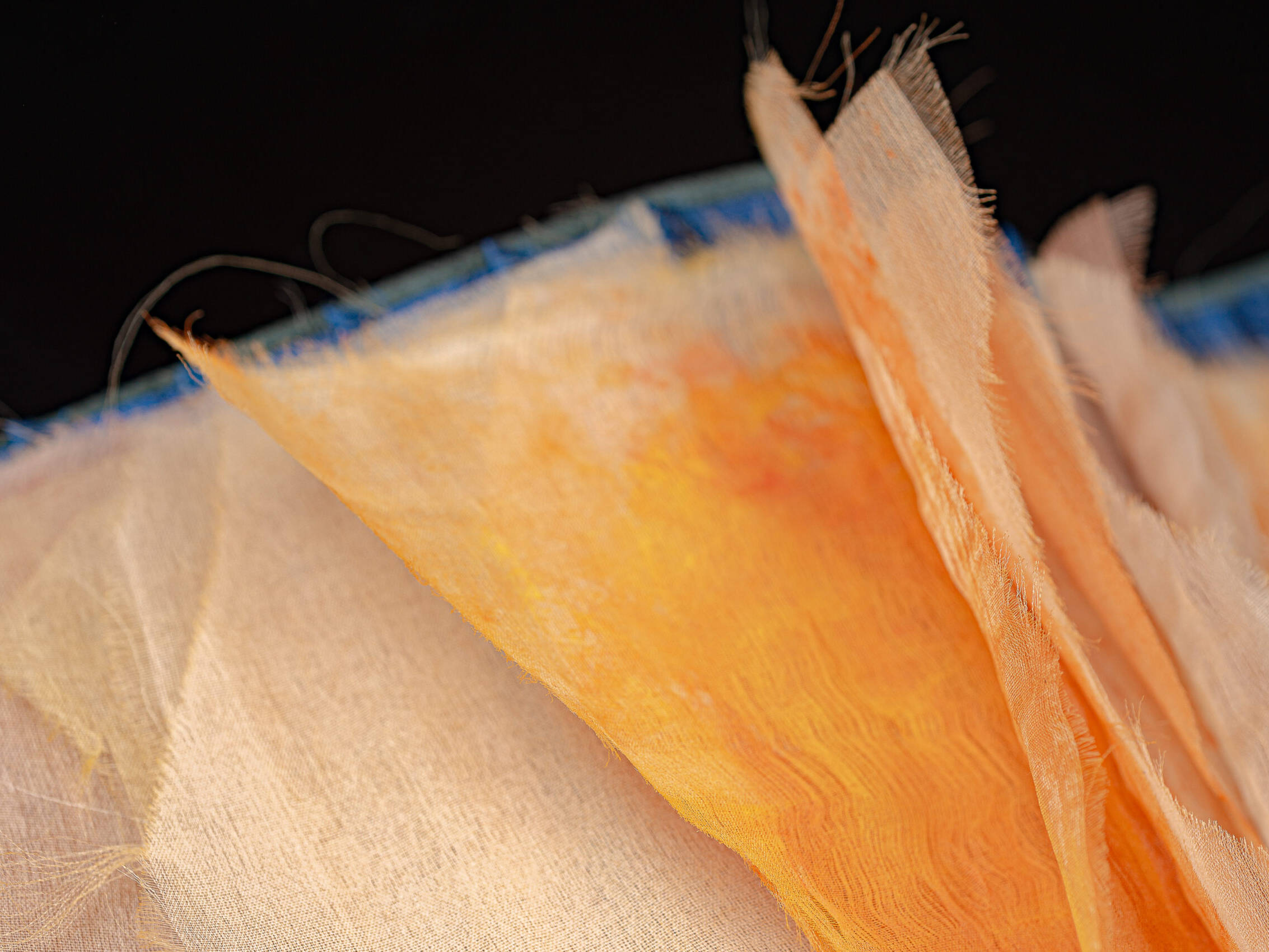
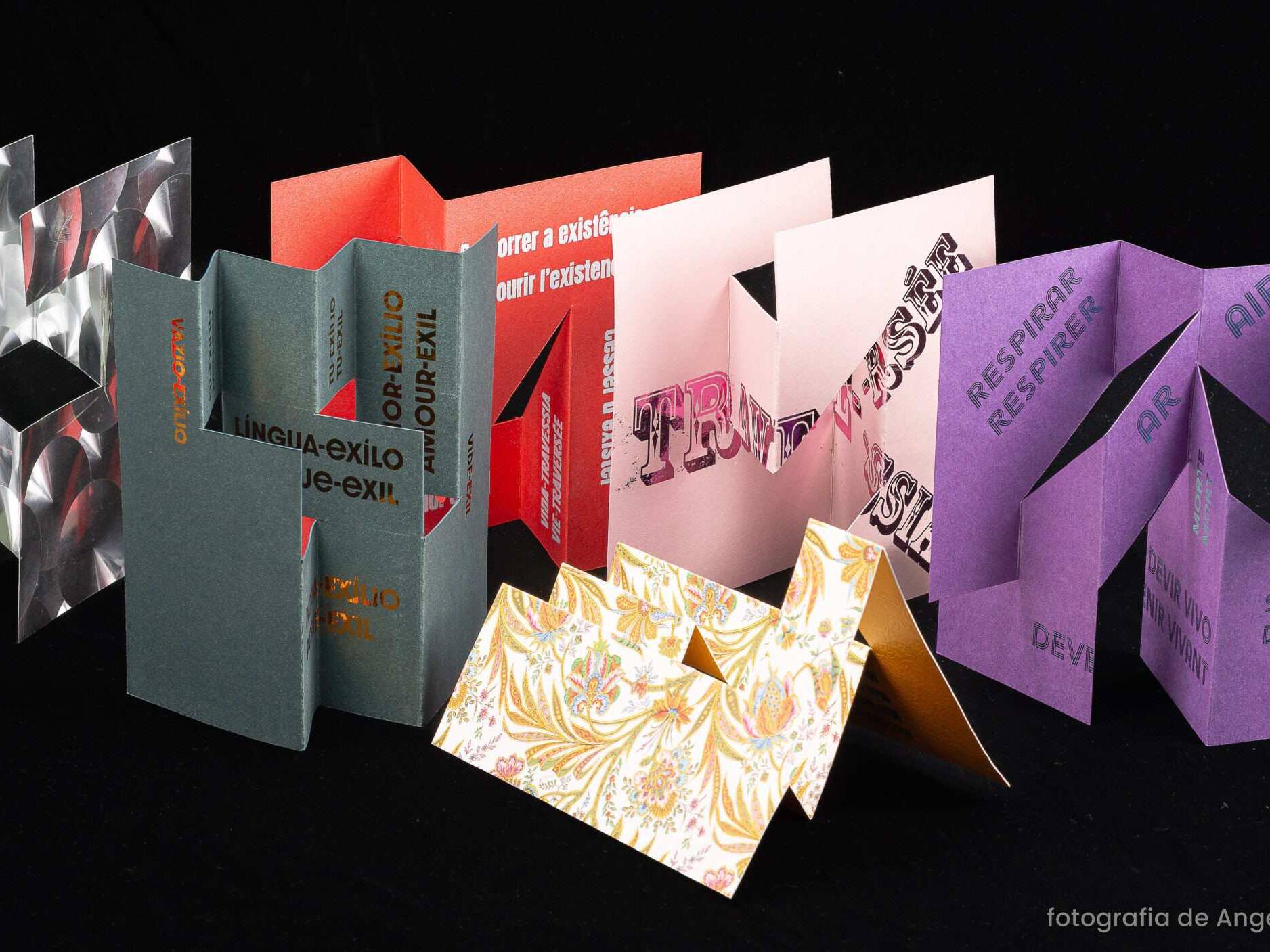
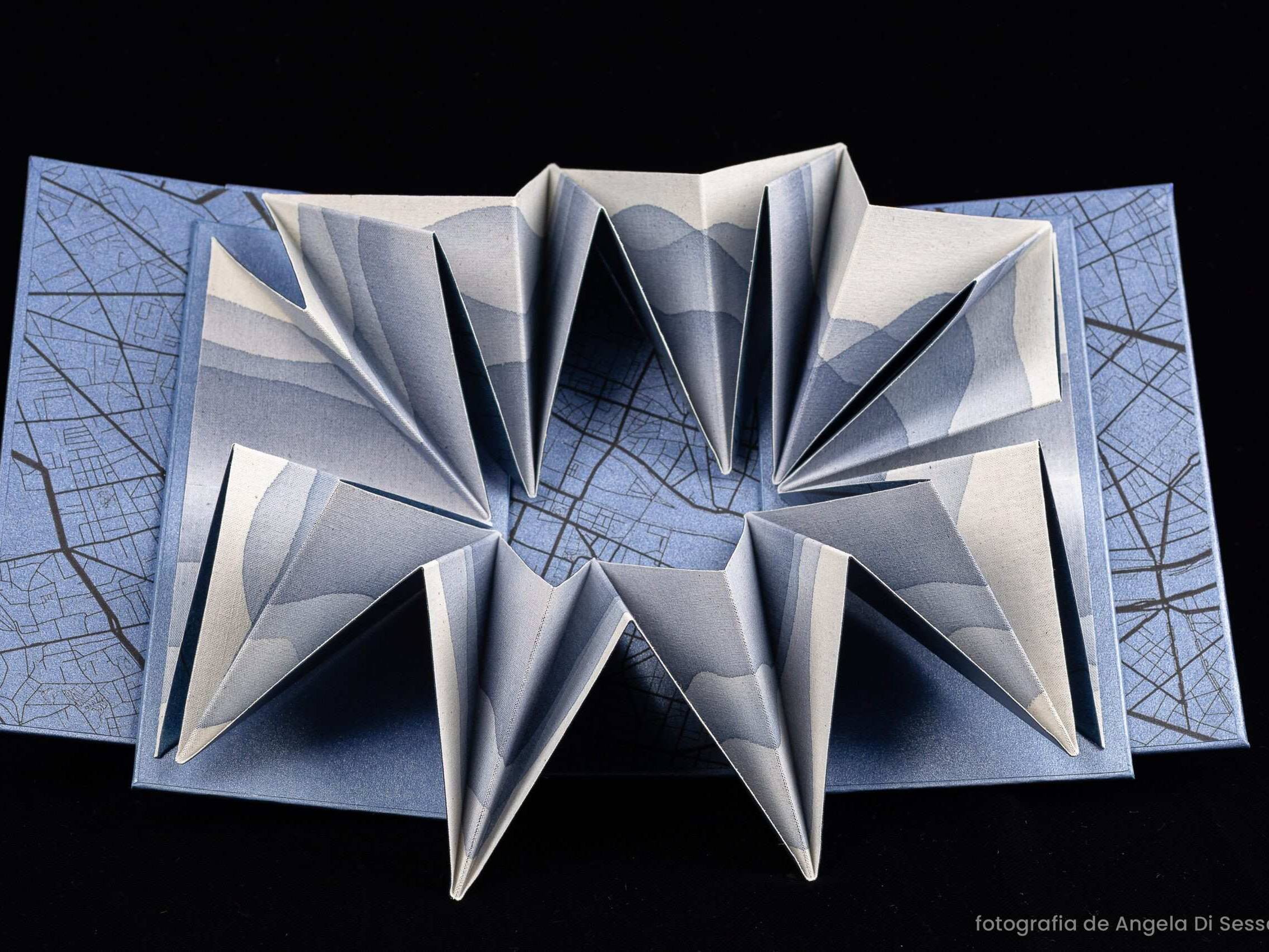
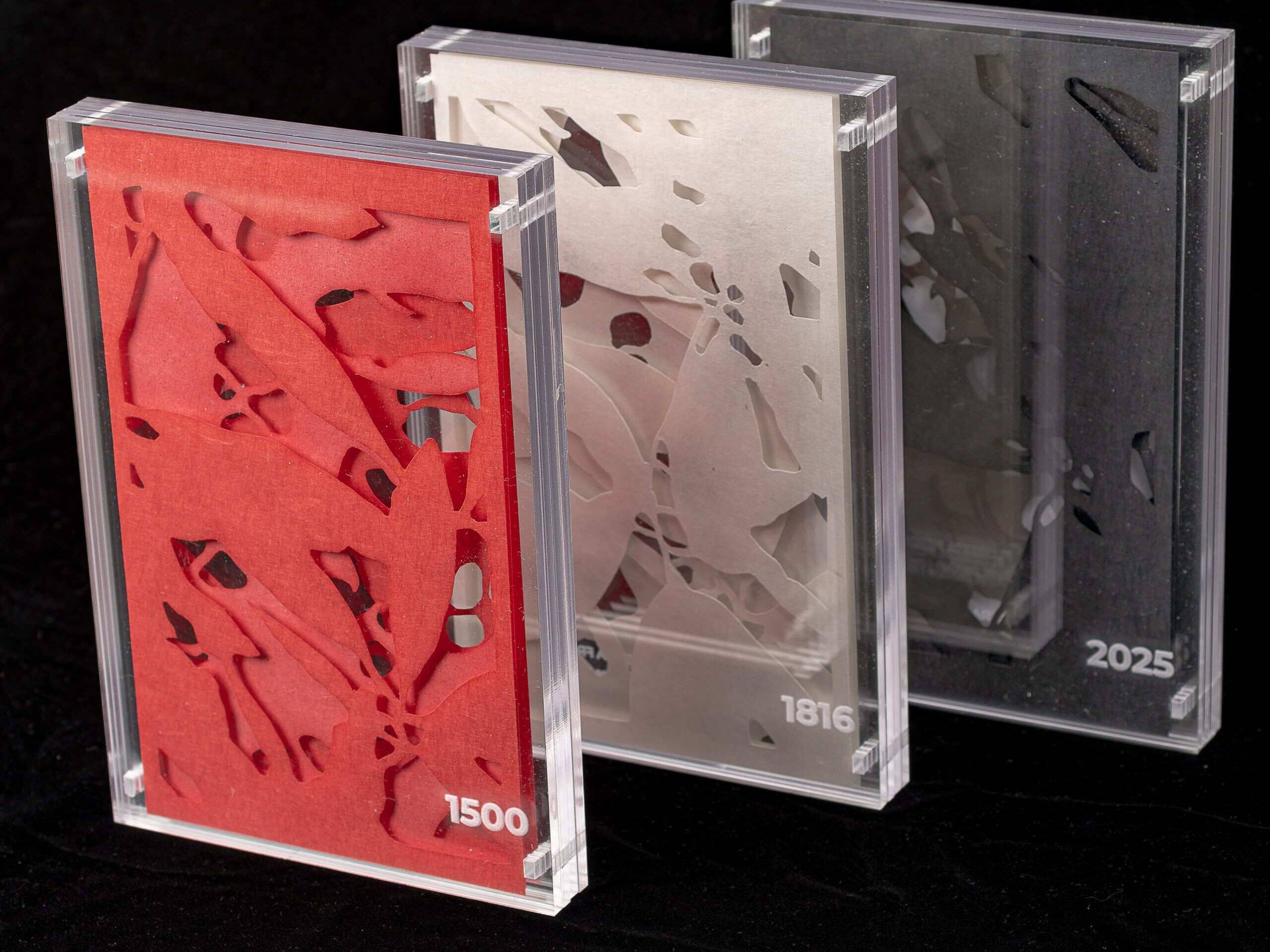
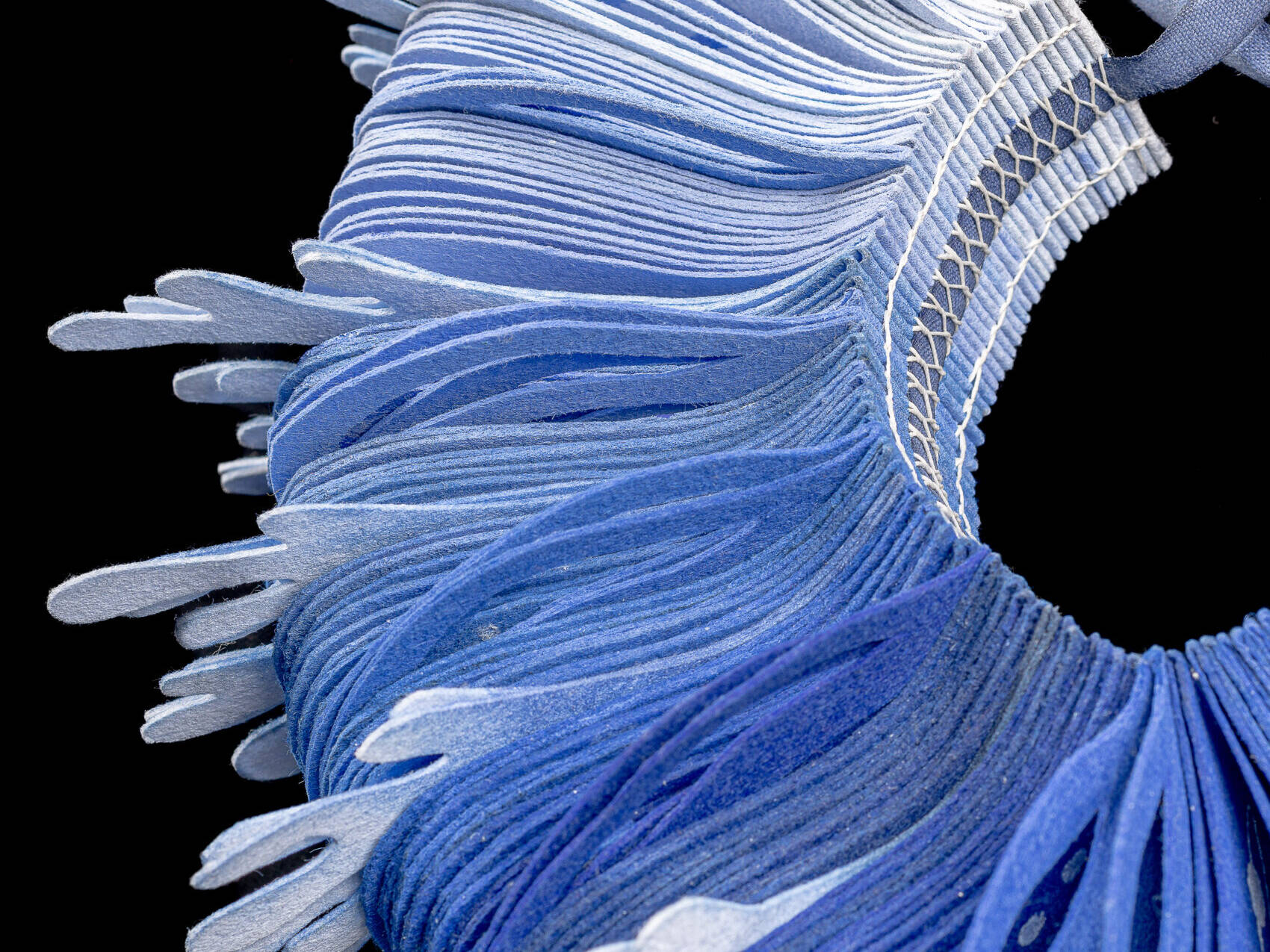
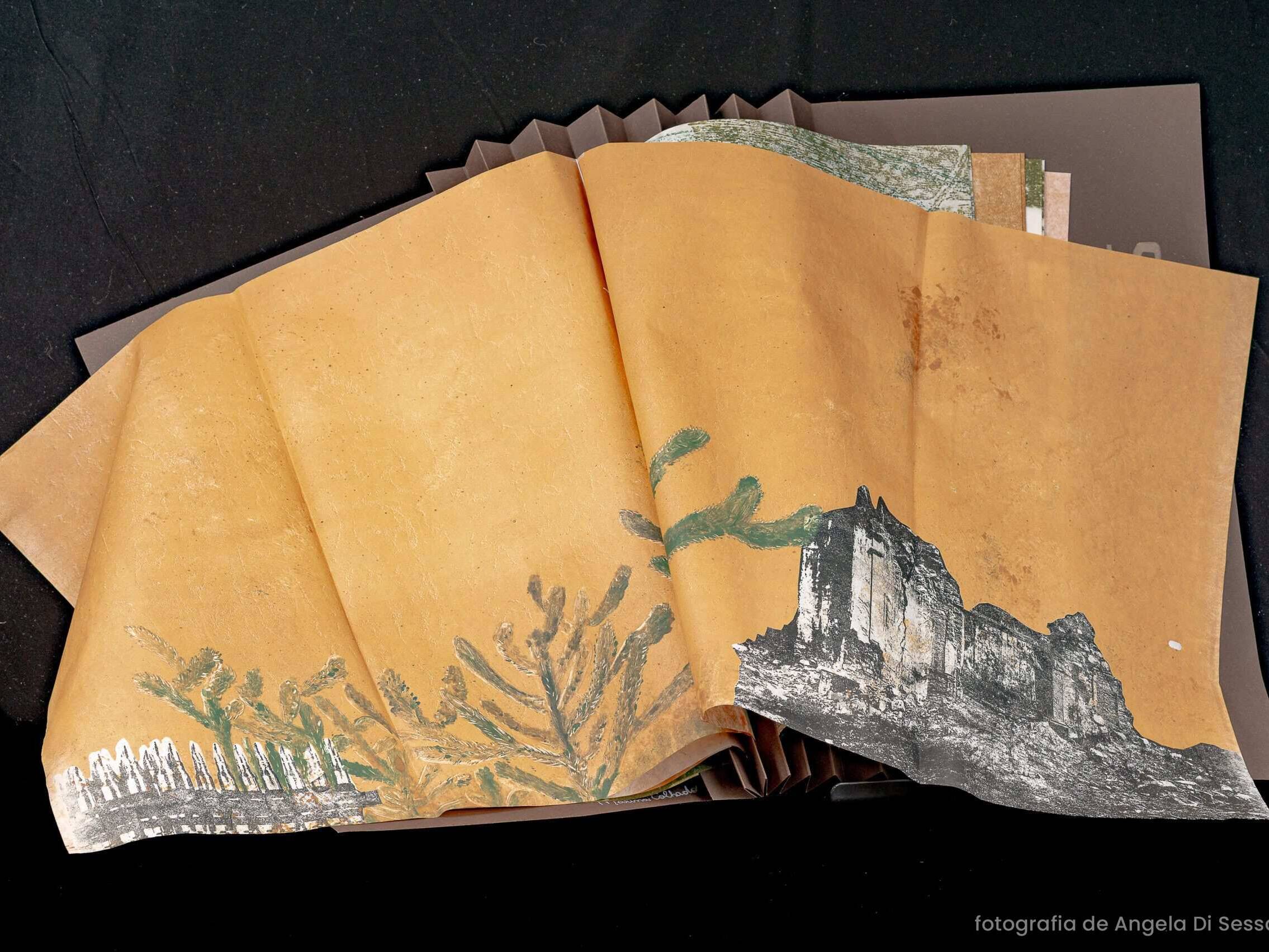
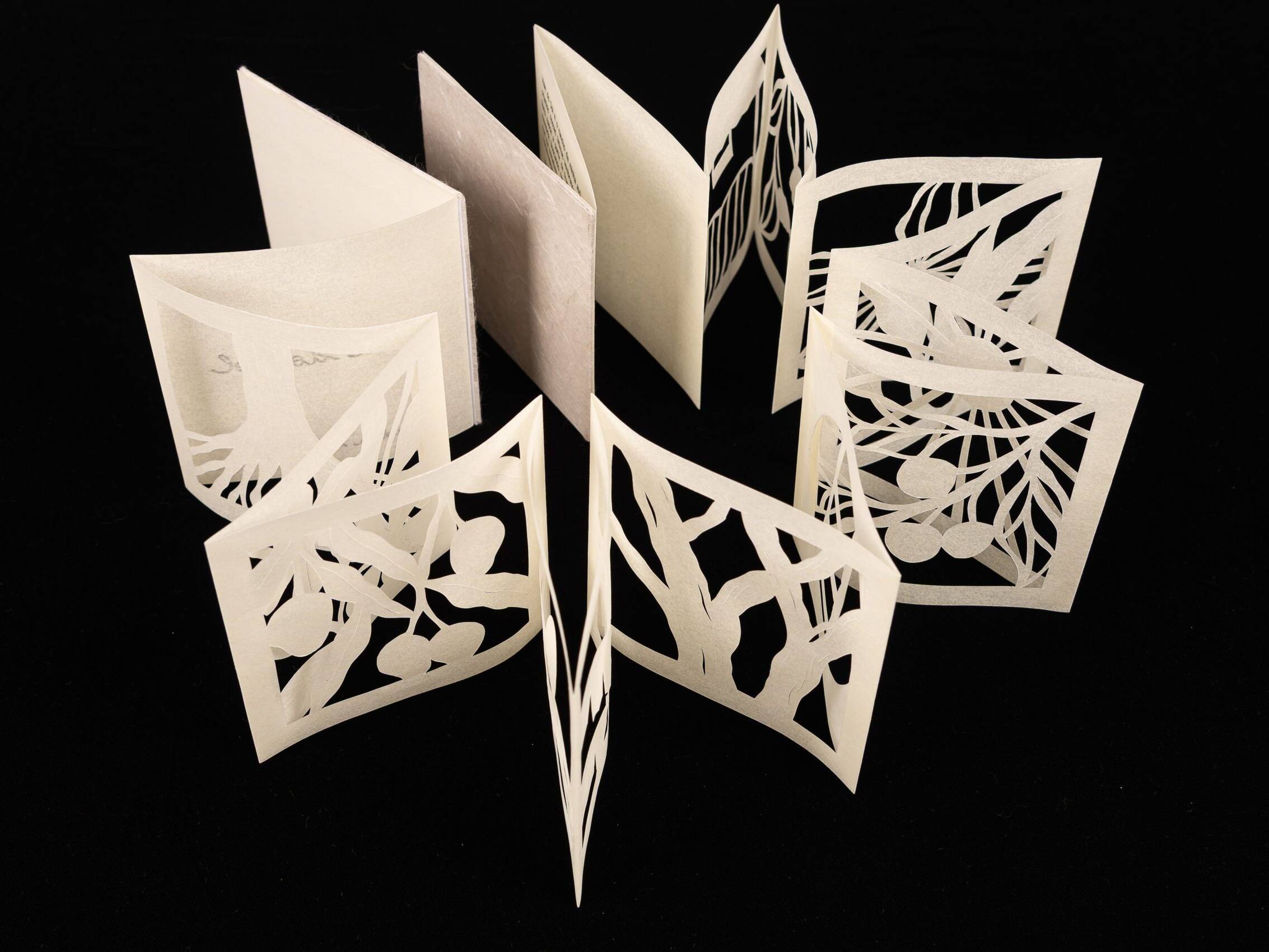
The result achieved allows the metaphorical statement "land ahoy!" to become an almost audible assertion. These are undoubtedly traveling artists who do not shy away from referential geolocation. This time, however, the ground is not necessarily firm, but much more an inner, personal territory, glimpsed through an ambiguous and perhaps reversed lens, something like experimenting with the rotation of an optical instrument with mirrors and colored pieces of glass that rearrange themselves into diverse possibilities, such as references to geographical or geo-historical markers, urban cartographies, mentions of localities and landscapes, biographical memoirs, polychromatic or monochromatic studies, graphic or photographic rhetoric, experiments with structures, mechanical articulations and verbal elocutions, among other approaches and resources. The constructions and diagrams, mise en pages in a broad sense (two- or three-dimensional, and even its own negation), are developed using materials already known or tested for the intended purposes, and may involve cuts, trims, threads, seams, collages, folds, joinery, and any functional resources that objectively meet individual subjective needs. A complementary and enchanting experience was hearing the accounts of residency participants about their proposals, their methods, their concerns, and sometimes their questioning of near-certainties, also in transit.
Resulting in the successful gathering of different expertise and life stories, the proposal of the meetings and the exhibition reaffirms itself as a structuring force that, under an aggregating theme, aligns the set of individualities, not necessarily proposing accounts of crossings, arrivals, and investigations in unknown lands, directed towards the exotic, but crossings and departures from one's own backyard. By extension of meaning, as a frankly affectionate evocation of childhood, and replacing the telescope, which during the adventurous journey instrumentalized the gaze for the transposition of real distances, I choose the kaleidoscope, here of introspections and memories, a symbolic device for the succession of the imagined through singular visions.
guest advisor
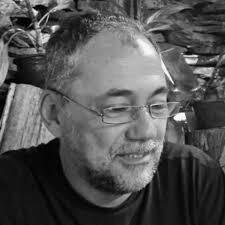
Paulo Silveira Paulo Silveira (full name: Paulo Antonio de Menezes Pereira da Silveira) holds a bachelor's degree in Fine Arts, with specializations in Drawing (1986) and Painting (1988), and in Social Communication (1980) from the Federal University of Rio Grande do Sul (UFRGS). At the same institution, he earned his master's (1999) and doctorate (2008) in Visual Arts, with an emphasis on the History, Theory, and Criticism of Art. Currently, he works as an adjunct professor of art history in the Department of Visual Arts at UFRGS's Institute of Arts, teaching at both the undergraduate and graduate levels. From 1982 to 2010, he was a visual programmer at Editora da UFRGS, where he also coordinated the editing section. As a researcher, he focuses on Visual Arts, with an emphasis on the history and theory of contemporary art, perception, and intermedia. He is a member of the National Association of Researchers in Plastic Arts (ANPAP), the Brazilian Committee of Art History, and a co-founder of the Veículos da Arte research group (UFRGS/CNPq).