
immersion week 2025
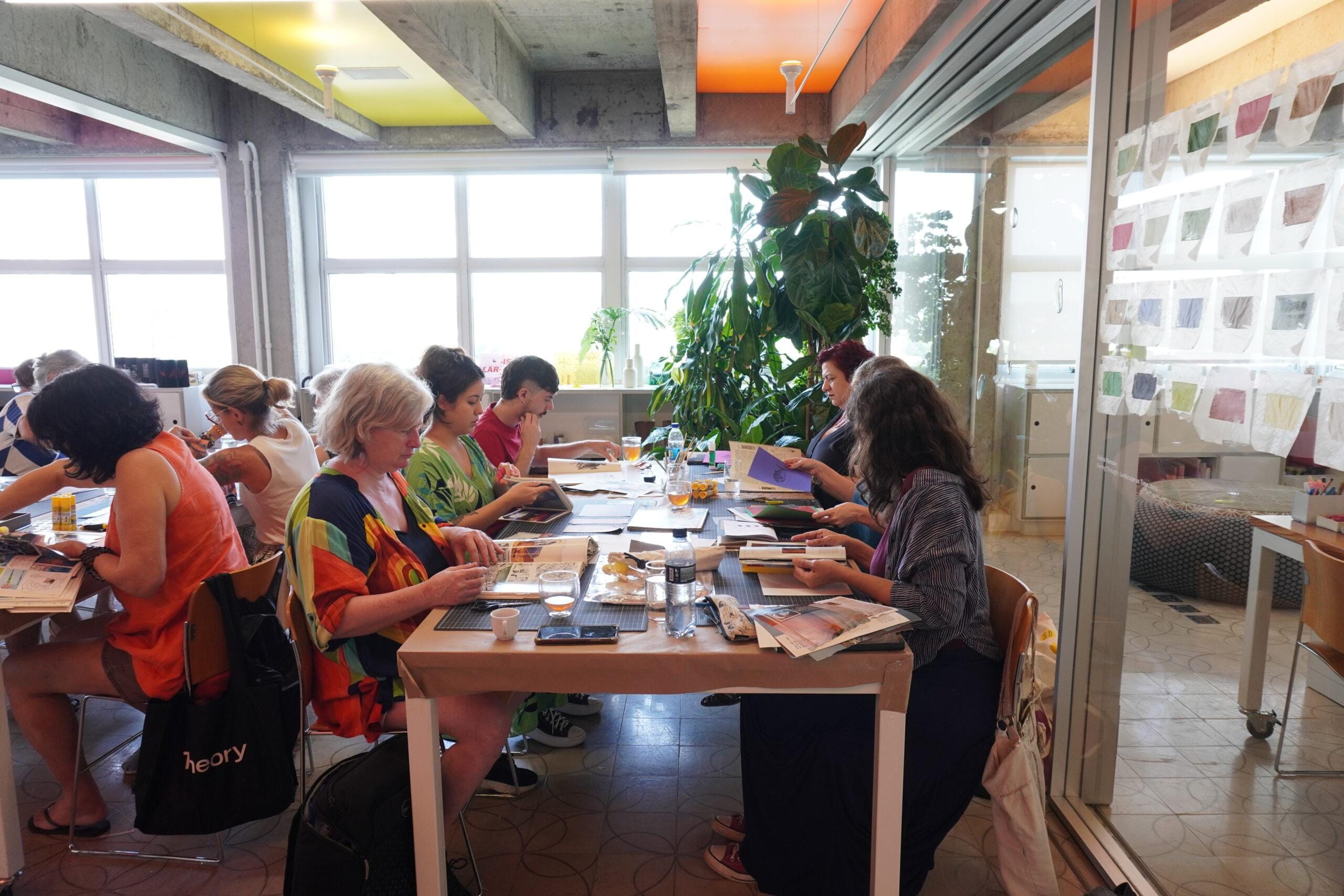
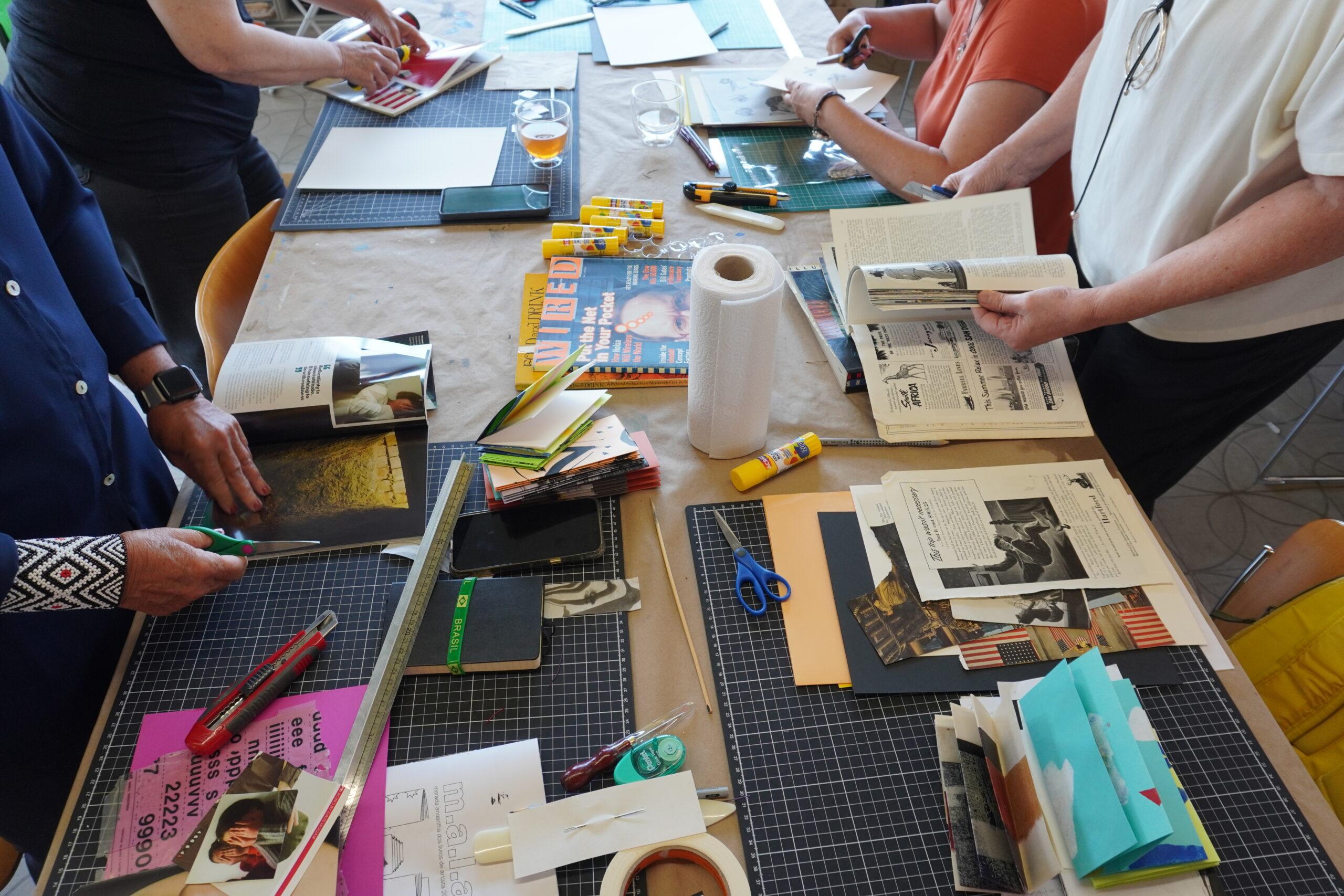
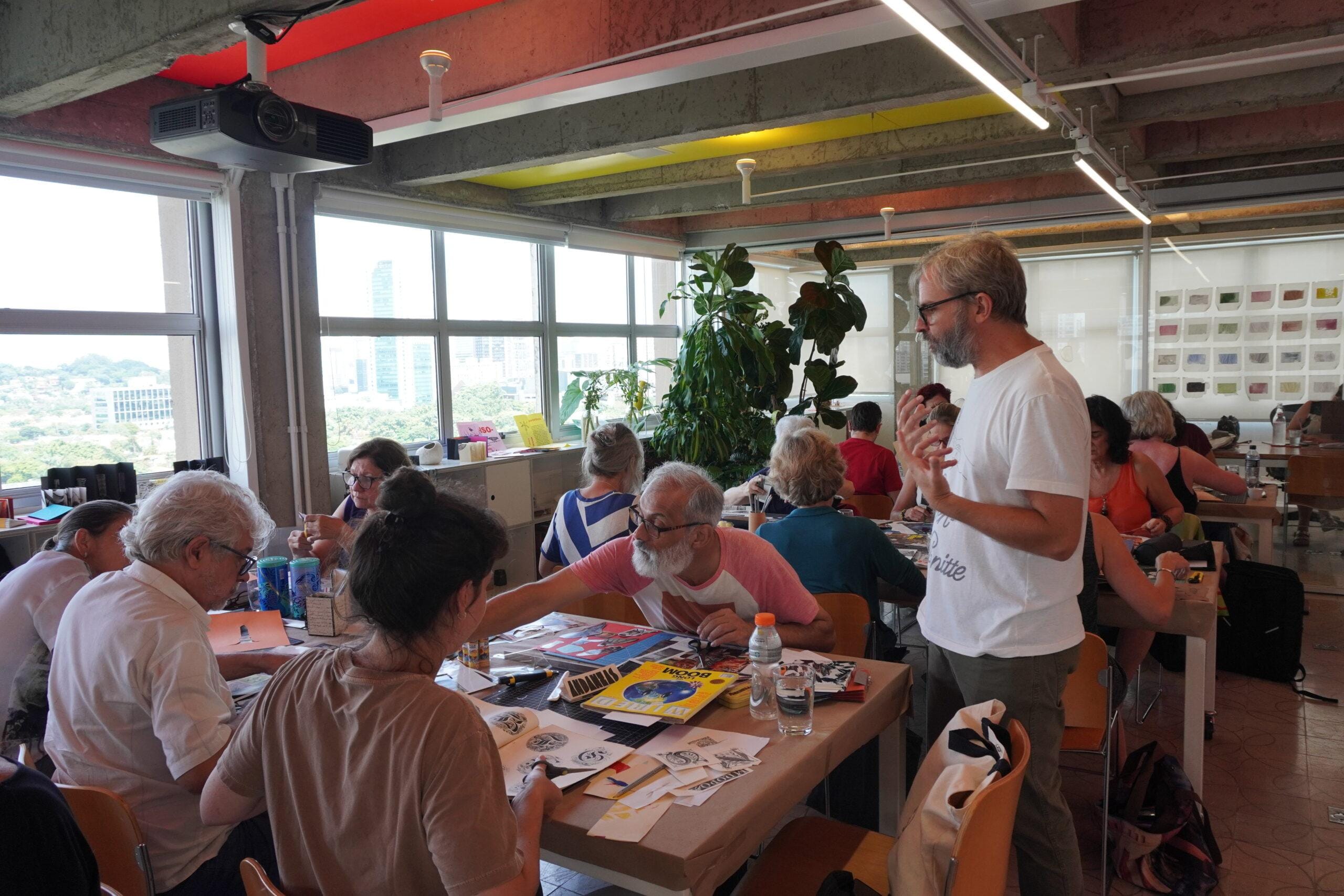
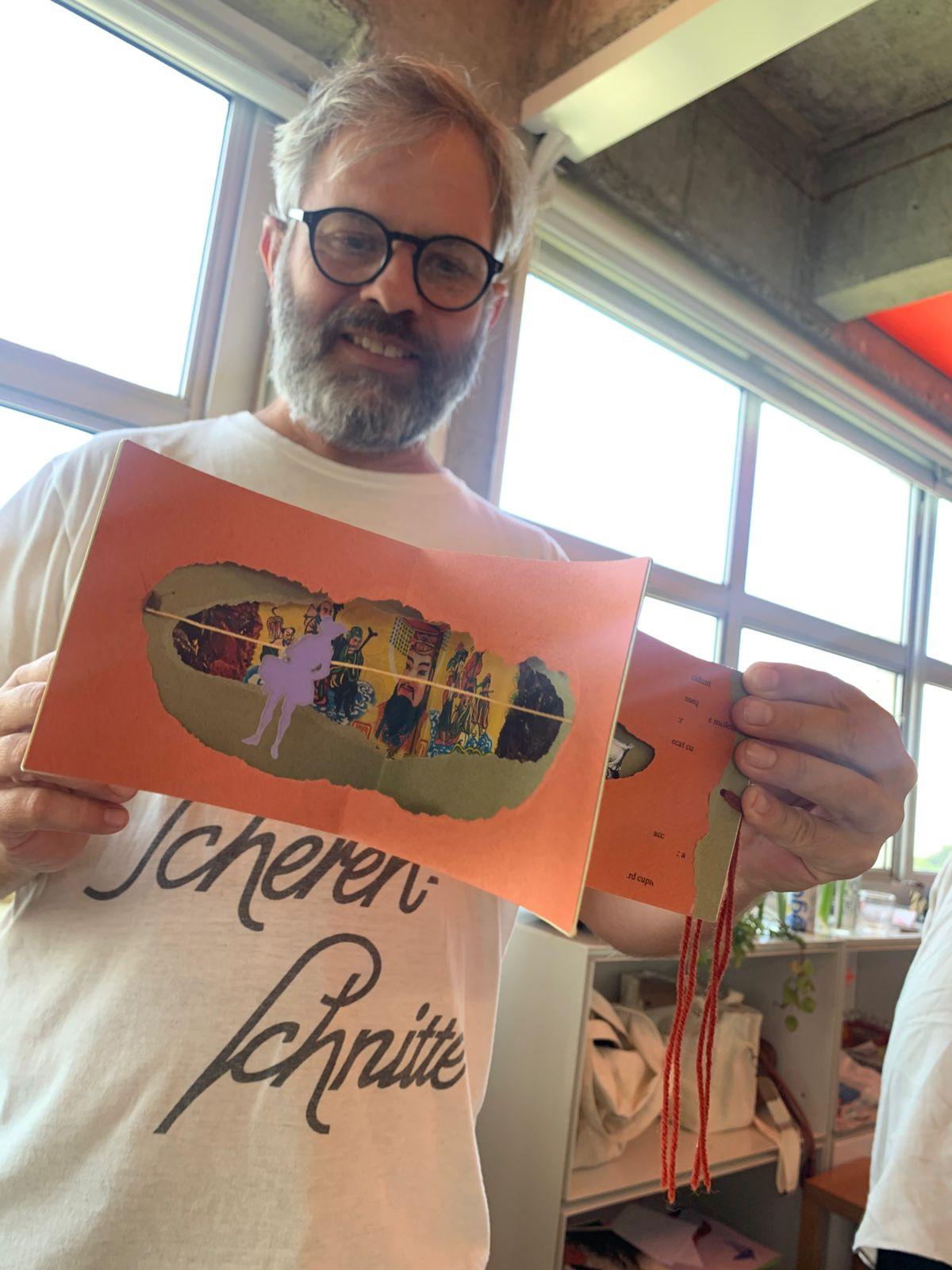
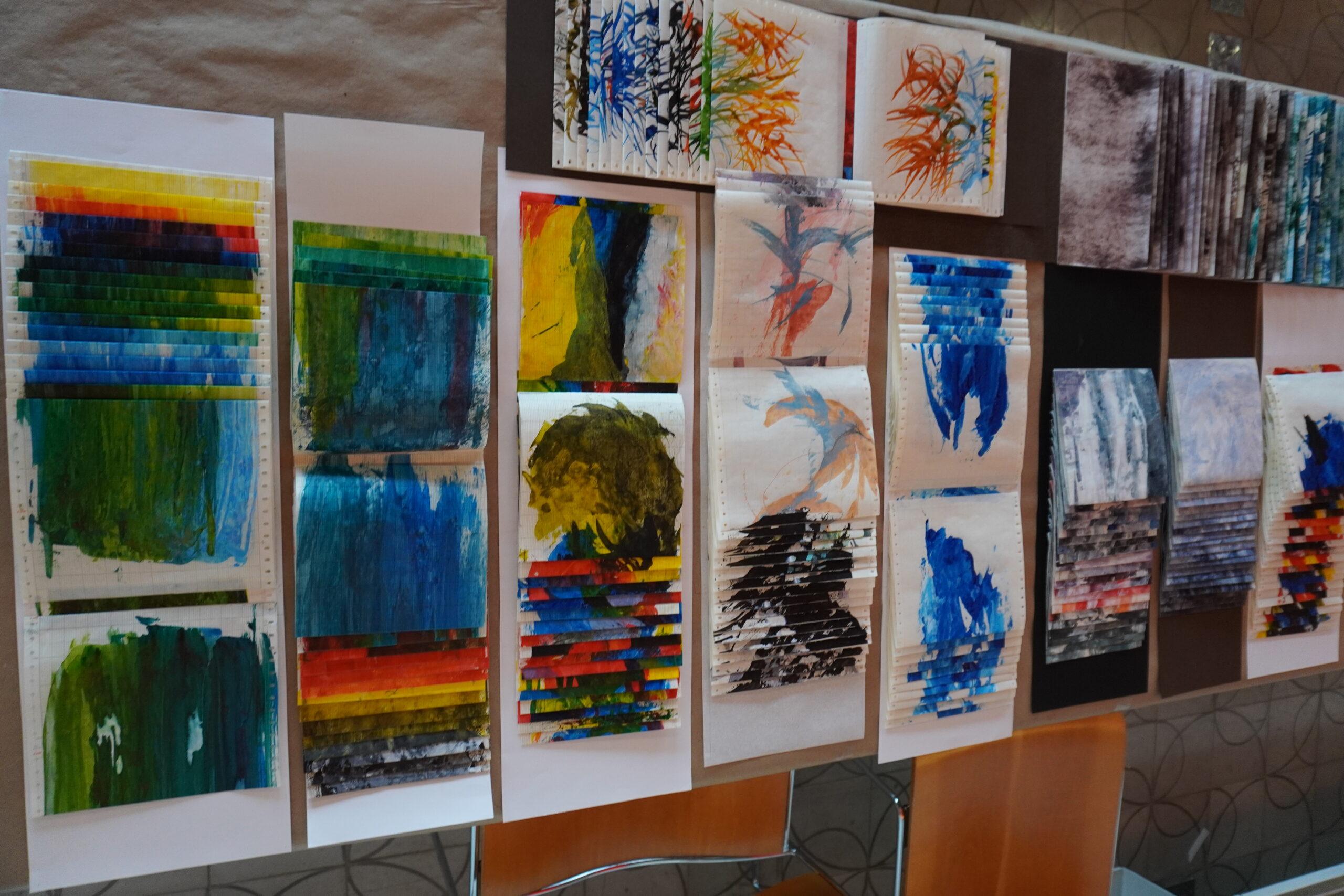
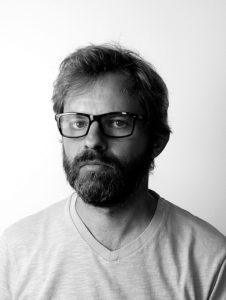
In 2025, M.A.L.A. began with an in-person immersion that was the true starting point of our journey. For five days, we created a common territory where time slowed down and the artist's book could be experienced in its materiality: the weight of the paper sheets, the direction of the paper fibers, the surfaces that respond in distinct ways to each gesture.
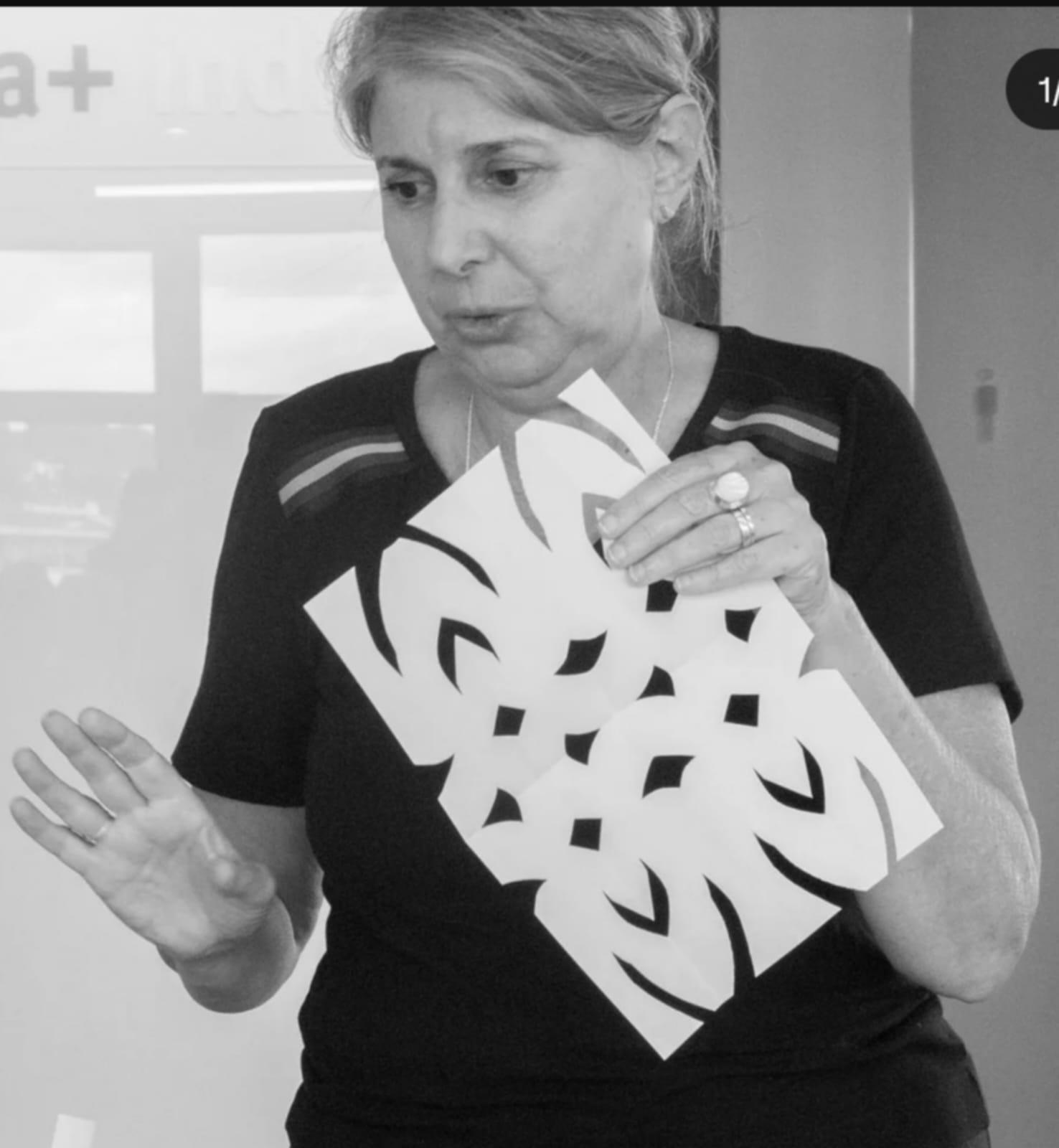
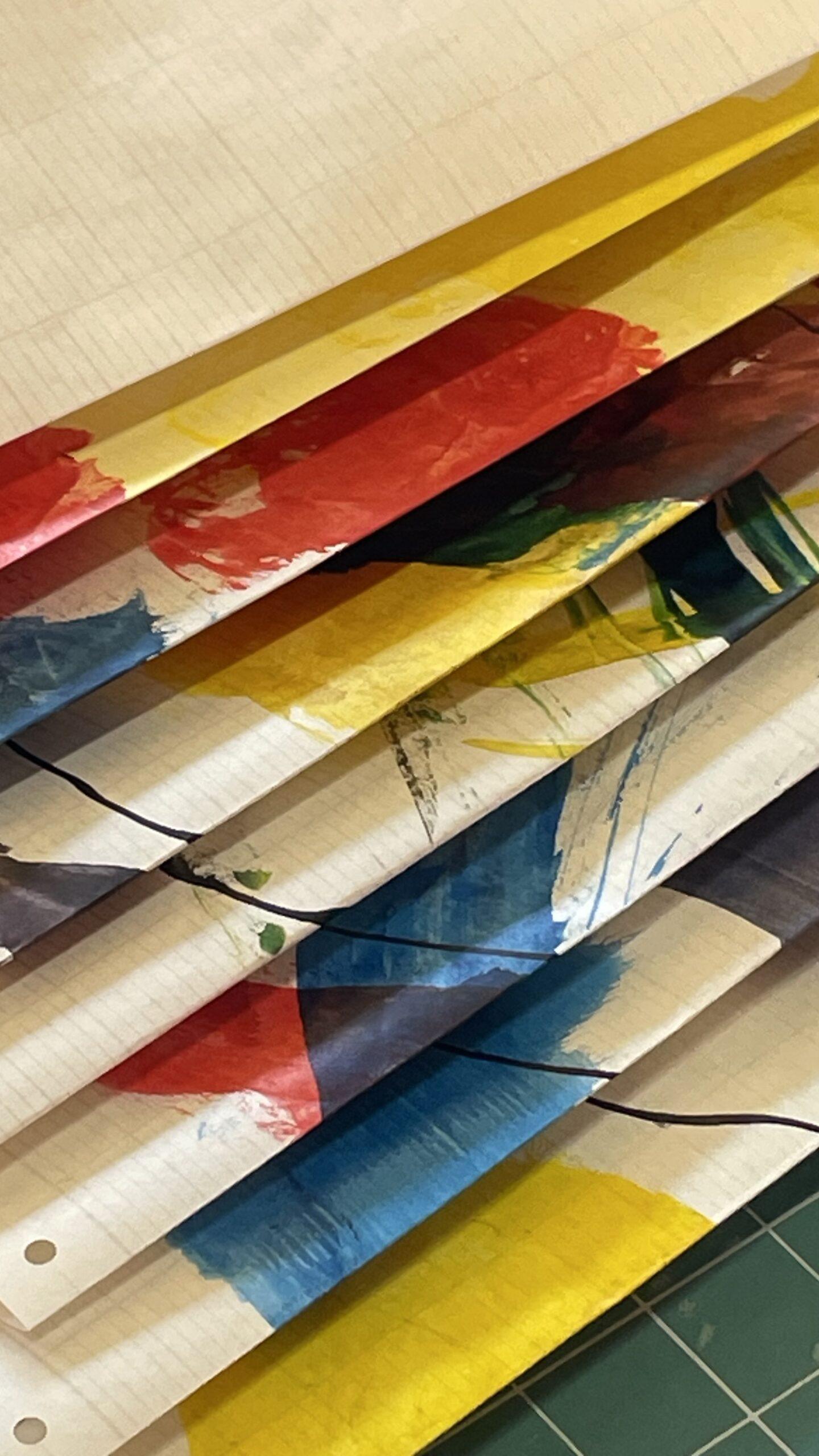
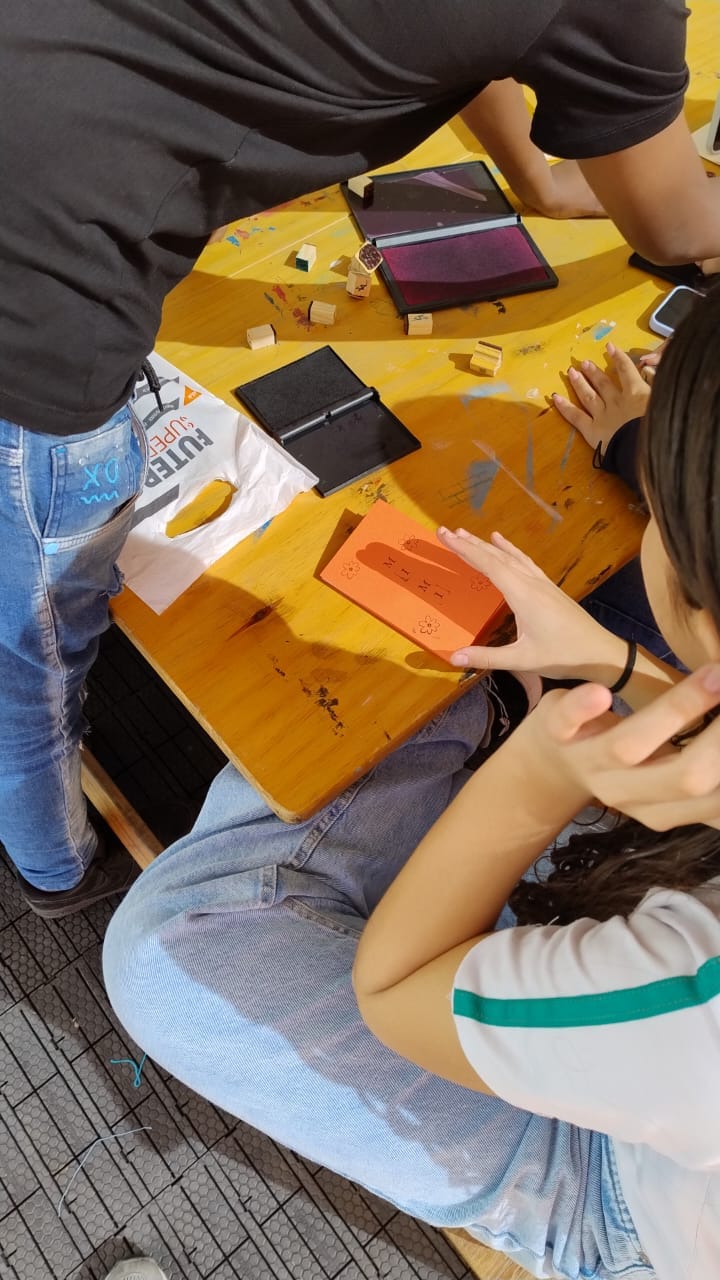
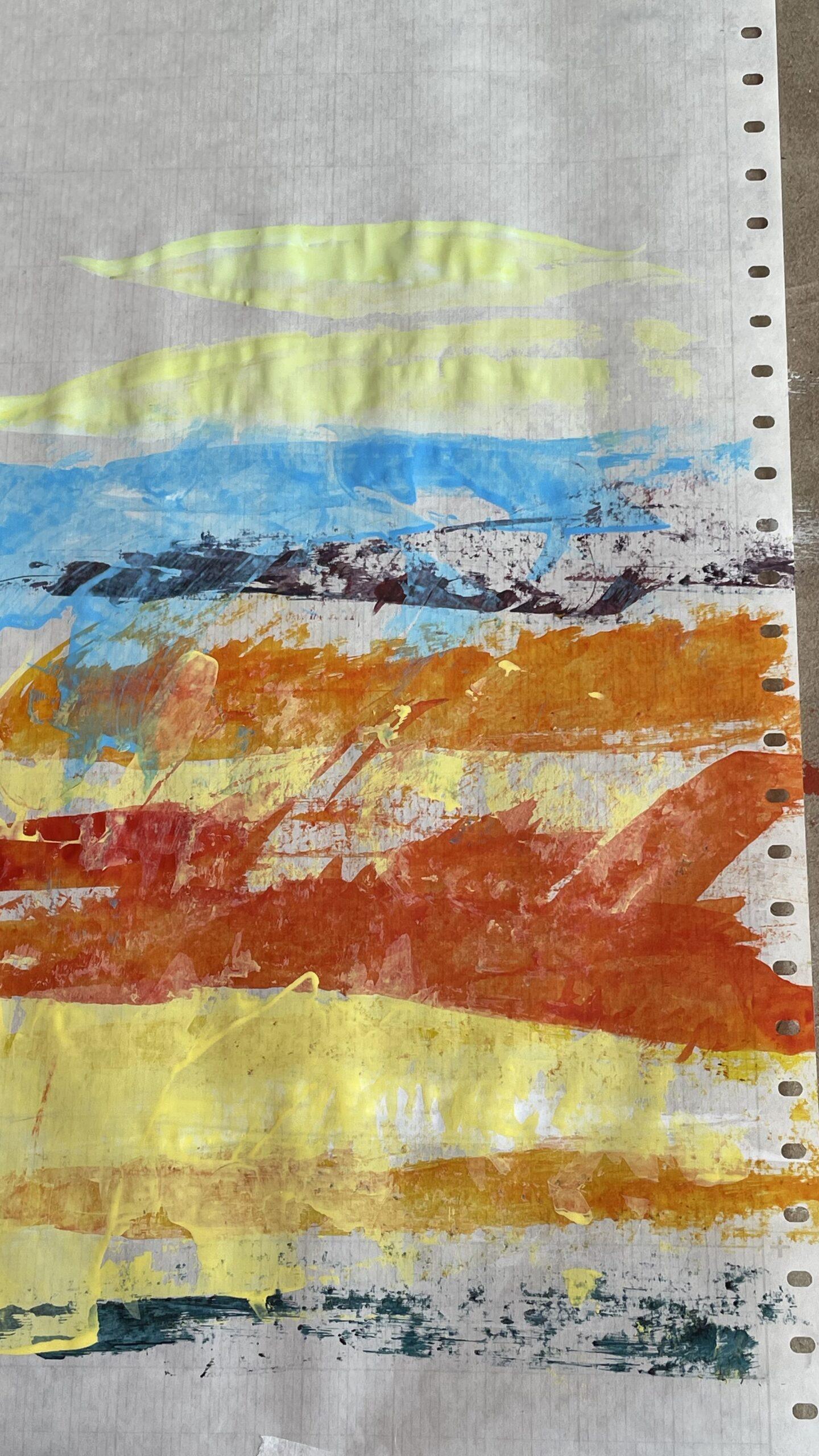
From our very first meetings, we were guided by Andrea Thomazella, who invited us to look at the “book before the book,” the gesture that precedes the form. With her, we worked with stencils, produced graphic designs, and experimented with ways of marking the paper without yet demanding a final structure from it. It was an exercise in freedom, seeing how the image can precede the intention, how materiality suggests paths we hadn't imagined. From this initial investigation, we moved on to structures dos à dos, where we understand how the dialogue between pages often arises from the very logic of layout.
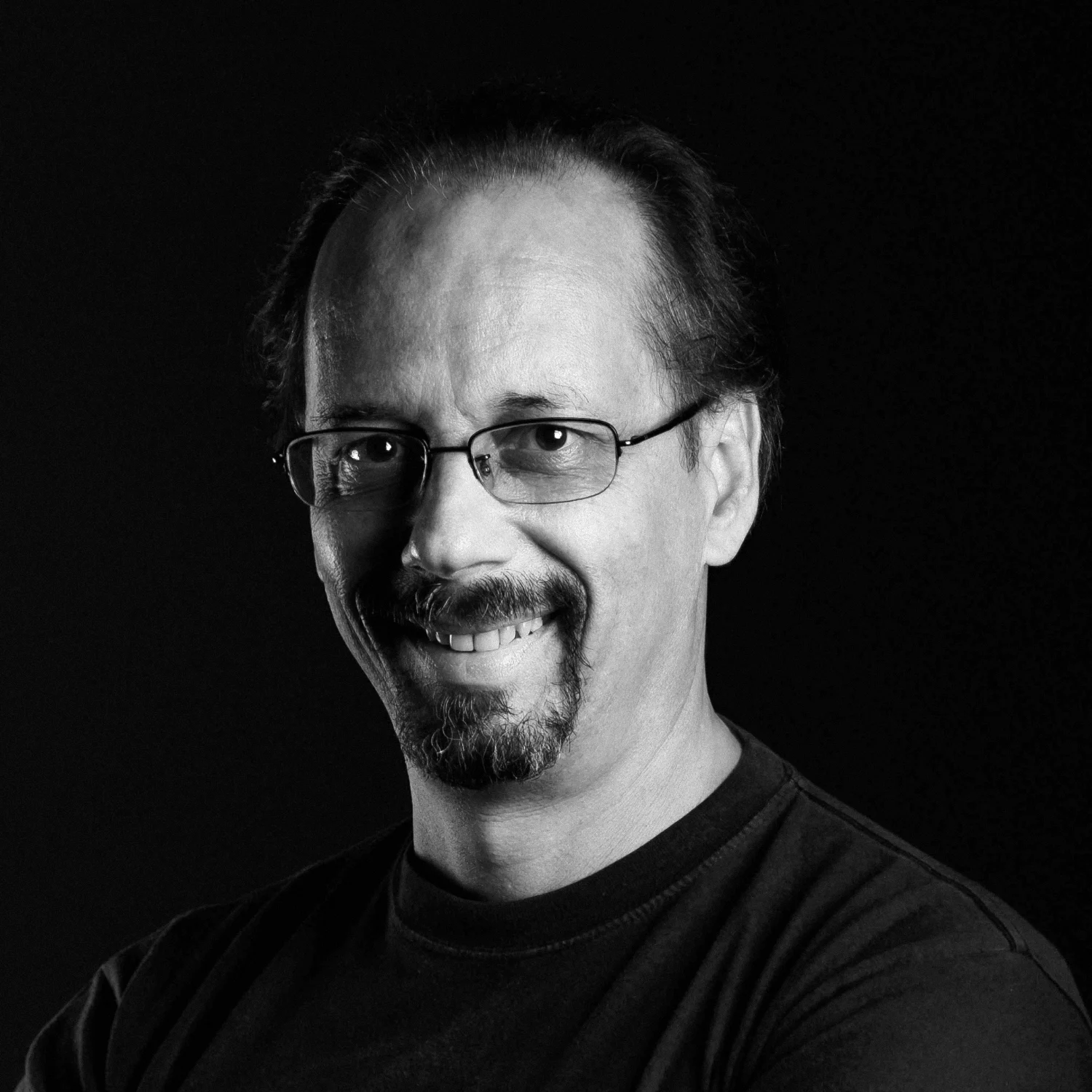
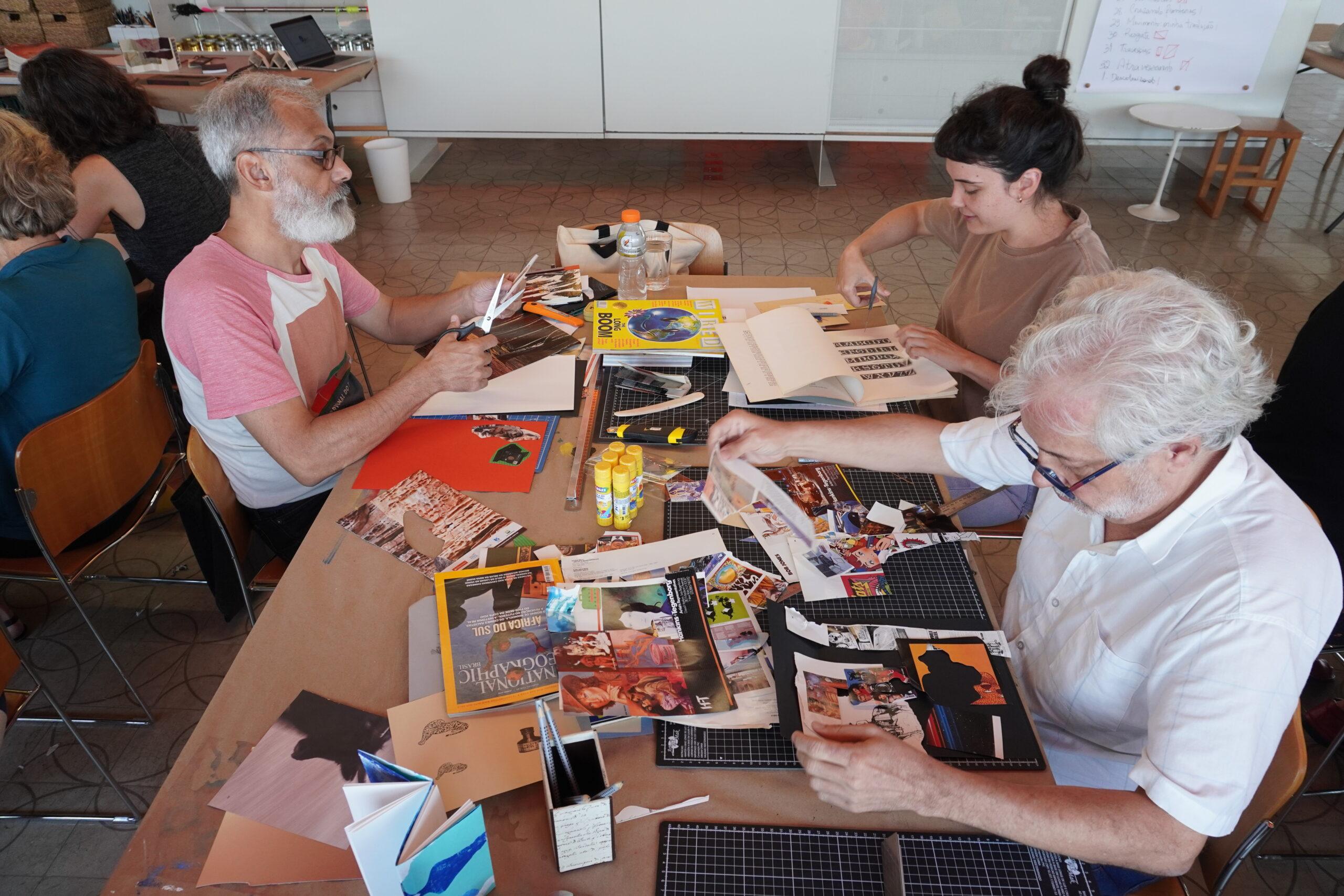
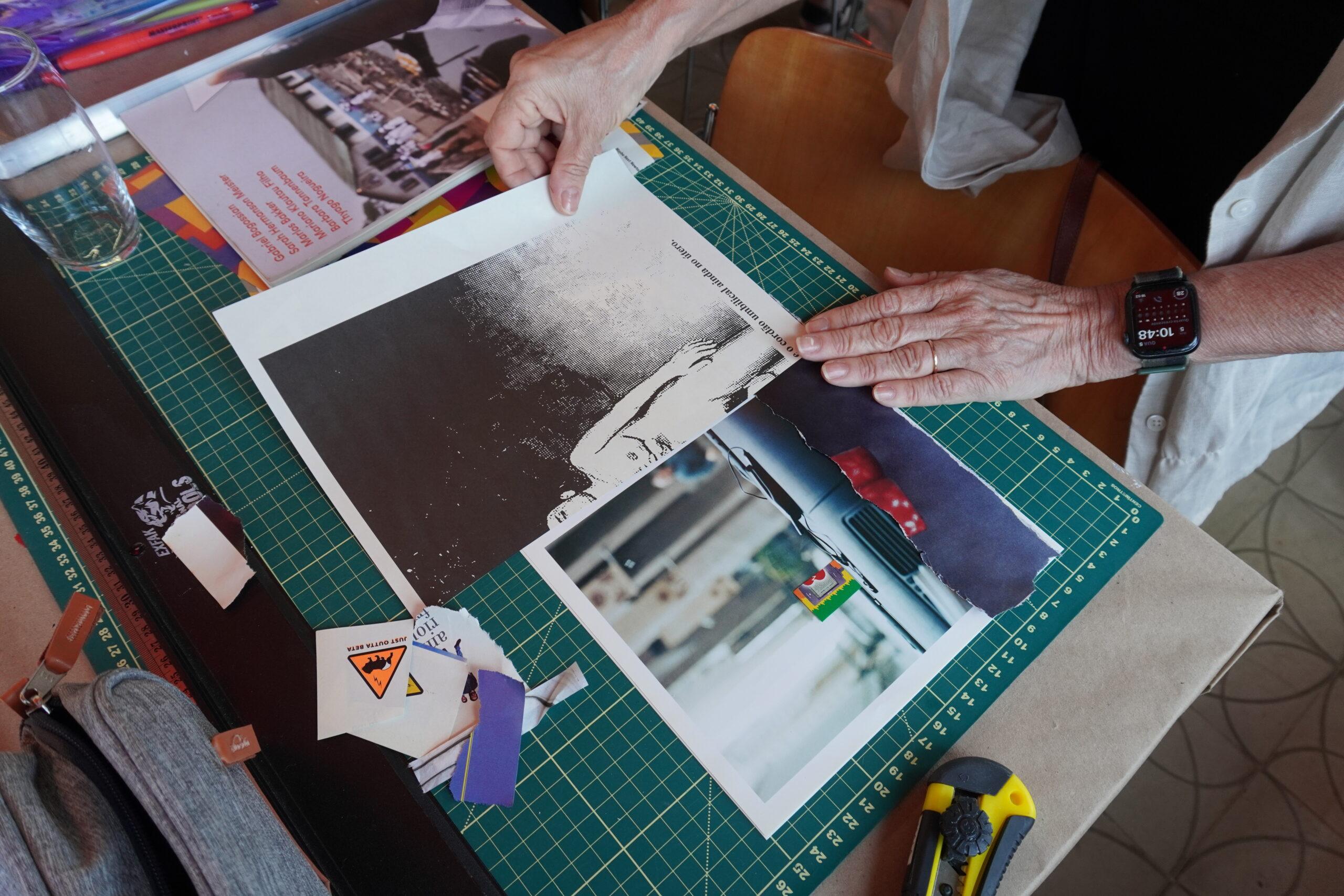
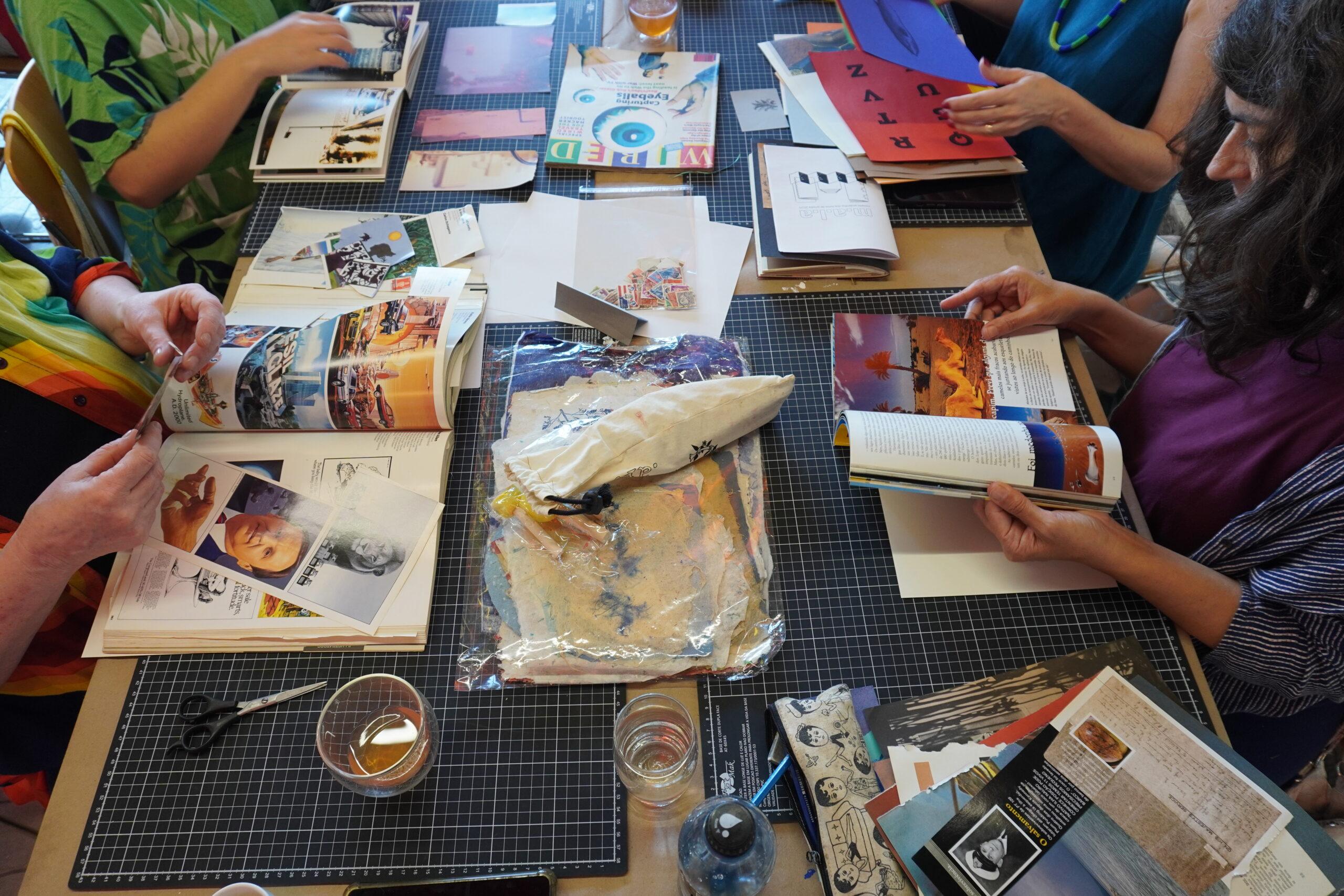
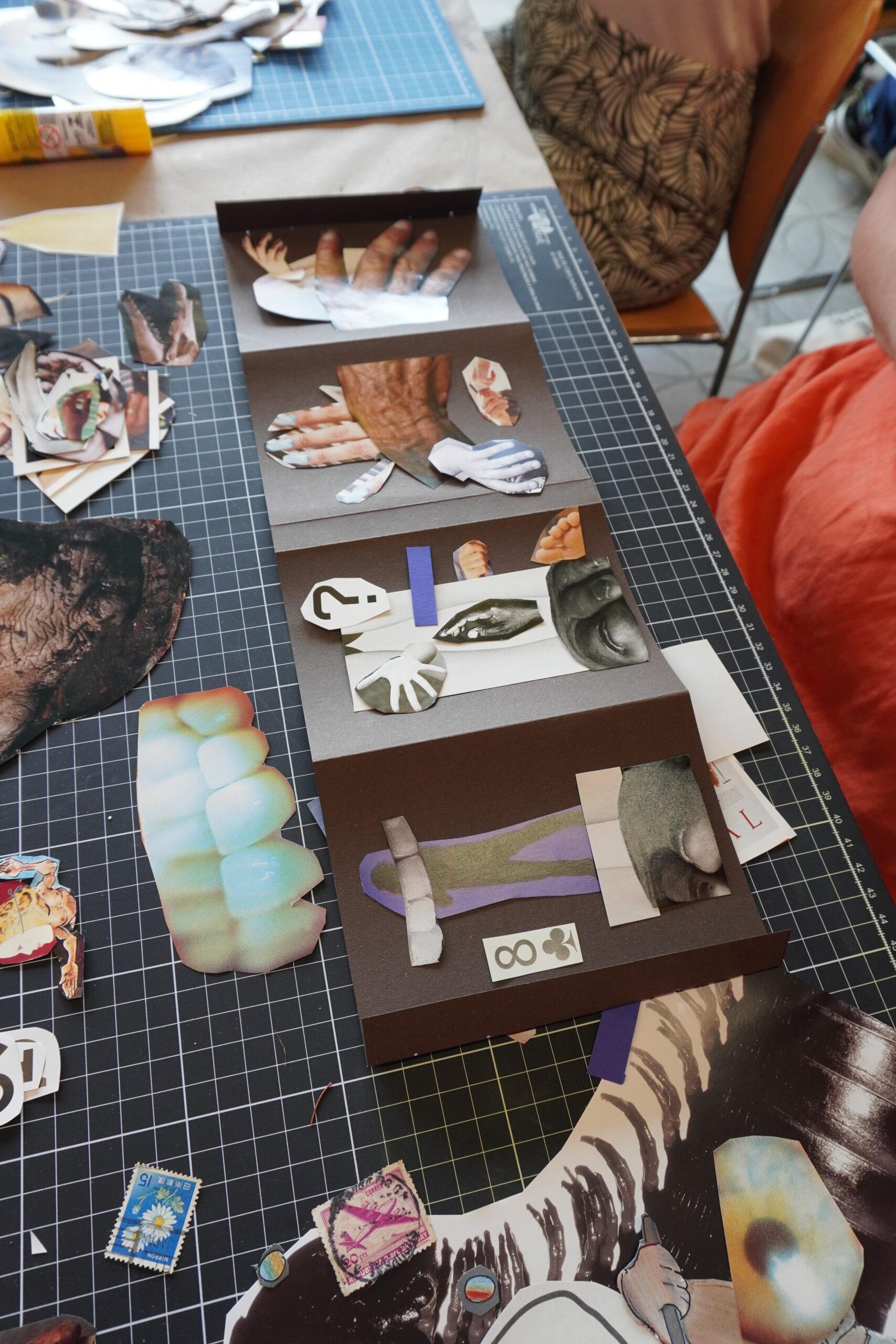
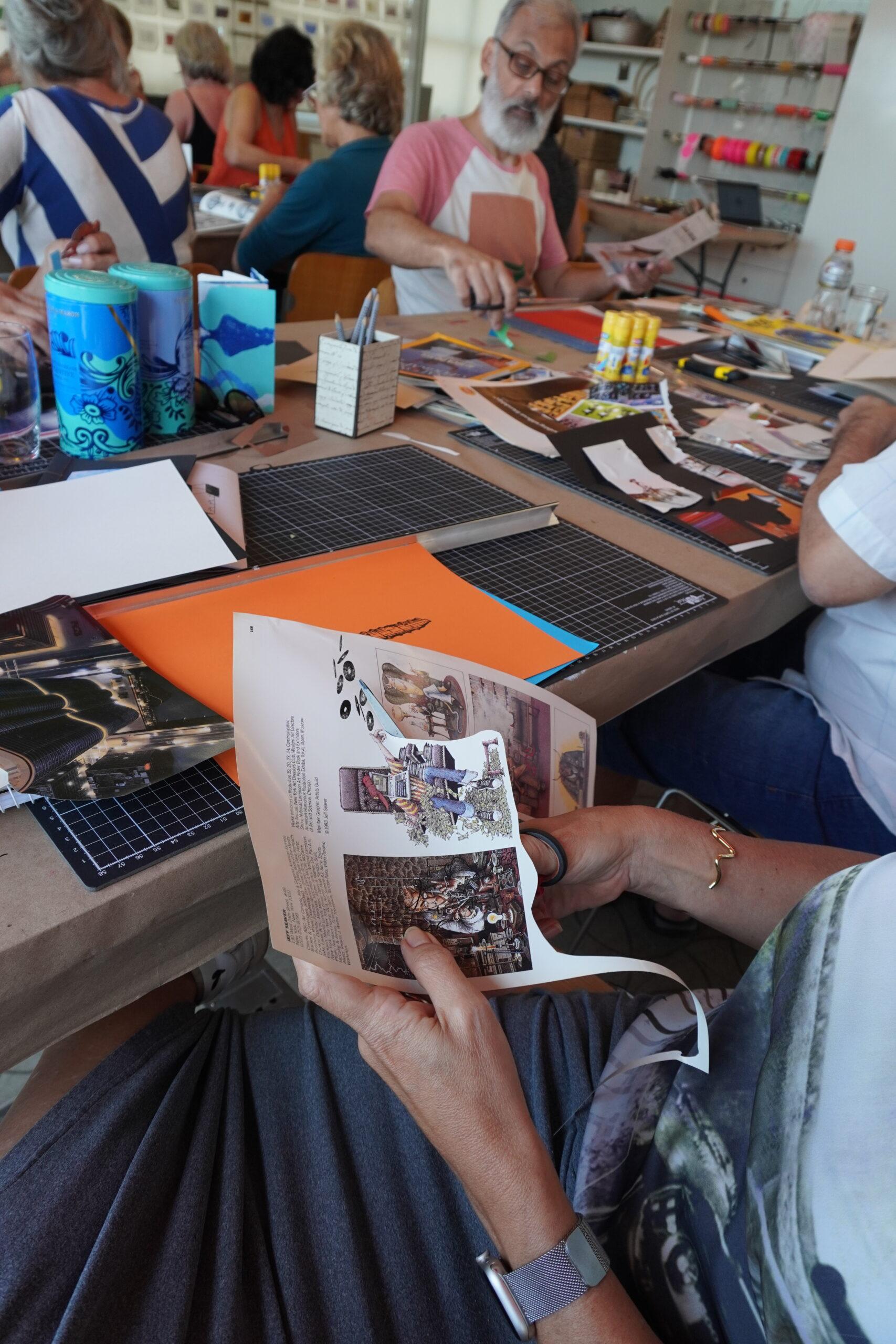
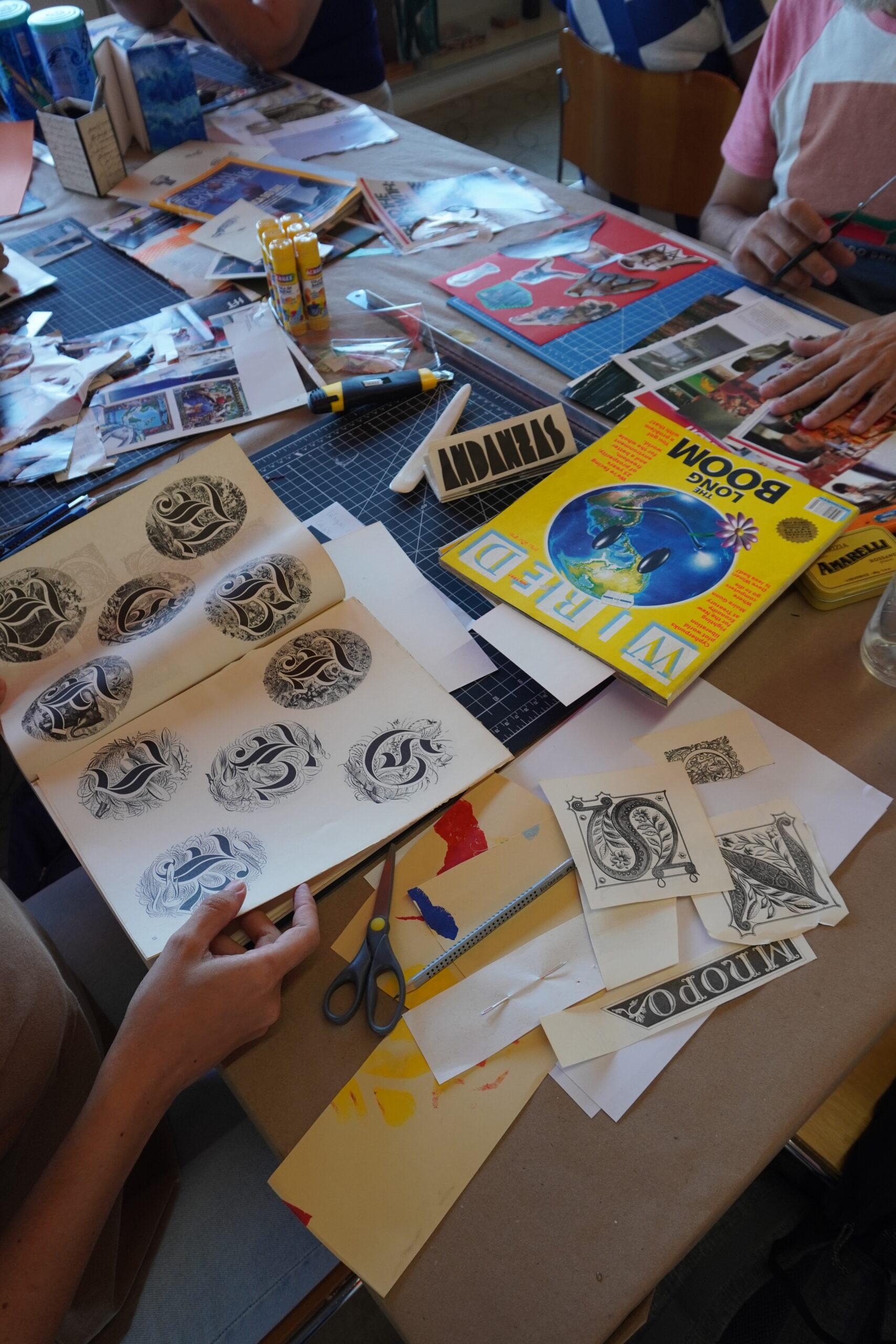
Next, with André Hellmeister, we delved into the narrative possibilities of collage. Among papers, cutouts, overlays, and contrasts, we realized how the act of choosing and combining is, in itself, a way of thinking. From these experiences, we moved on to the structure yamato toji, reinforcing the delicacy of the stitching, the precision of the alignments, and the dialogue between image and rhythm.
Under the guidance of Estela Vilela, throughout the week we were encouraged to perceive the volumes that emerge from bookbinding: the direction of the paper fibers, attention to the direction of the cut, care in the folds and creases. Estela guided us through the structures that would permeate the entire residency, helping each participant understand what their own process demanded—solidity, lightness, twisting, stitching, etc.—transforming techniques into possible paths.
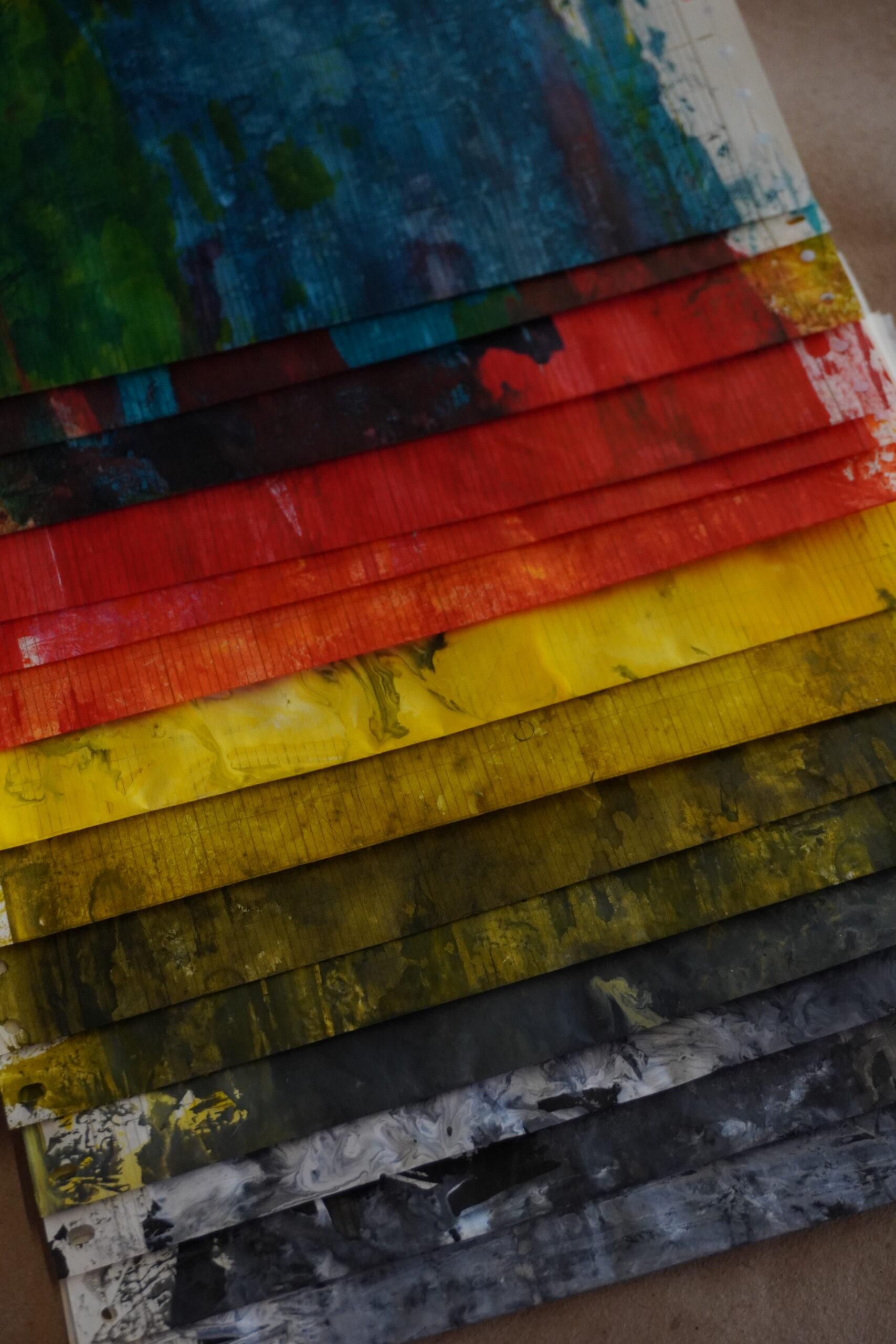
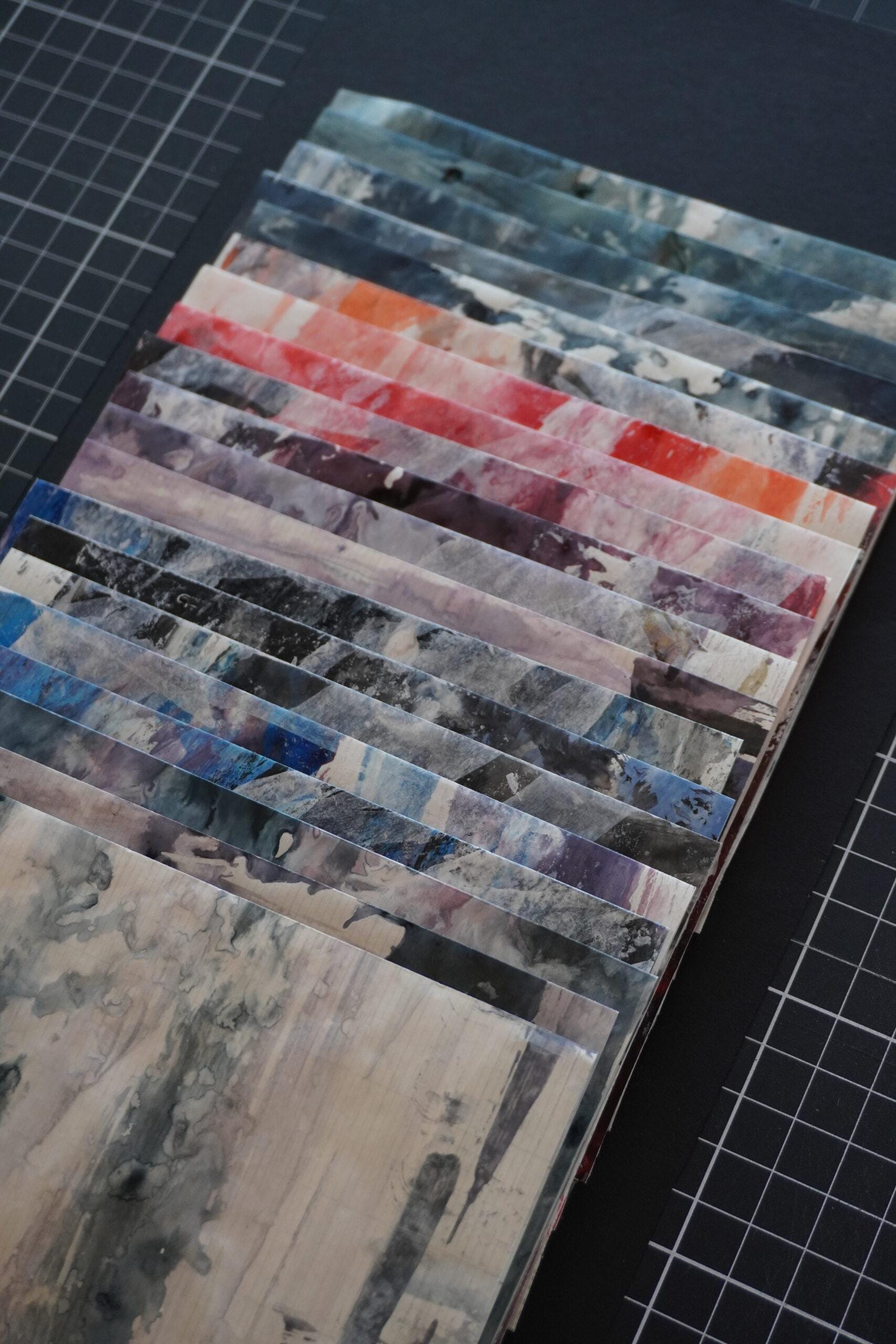
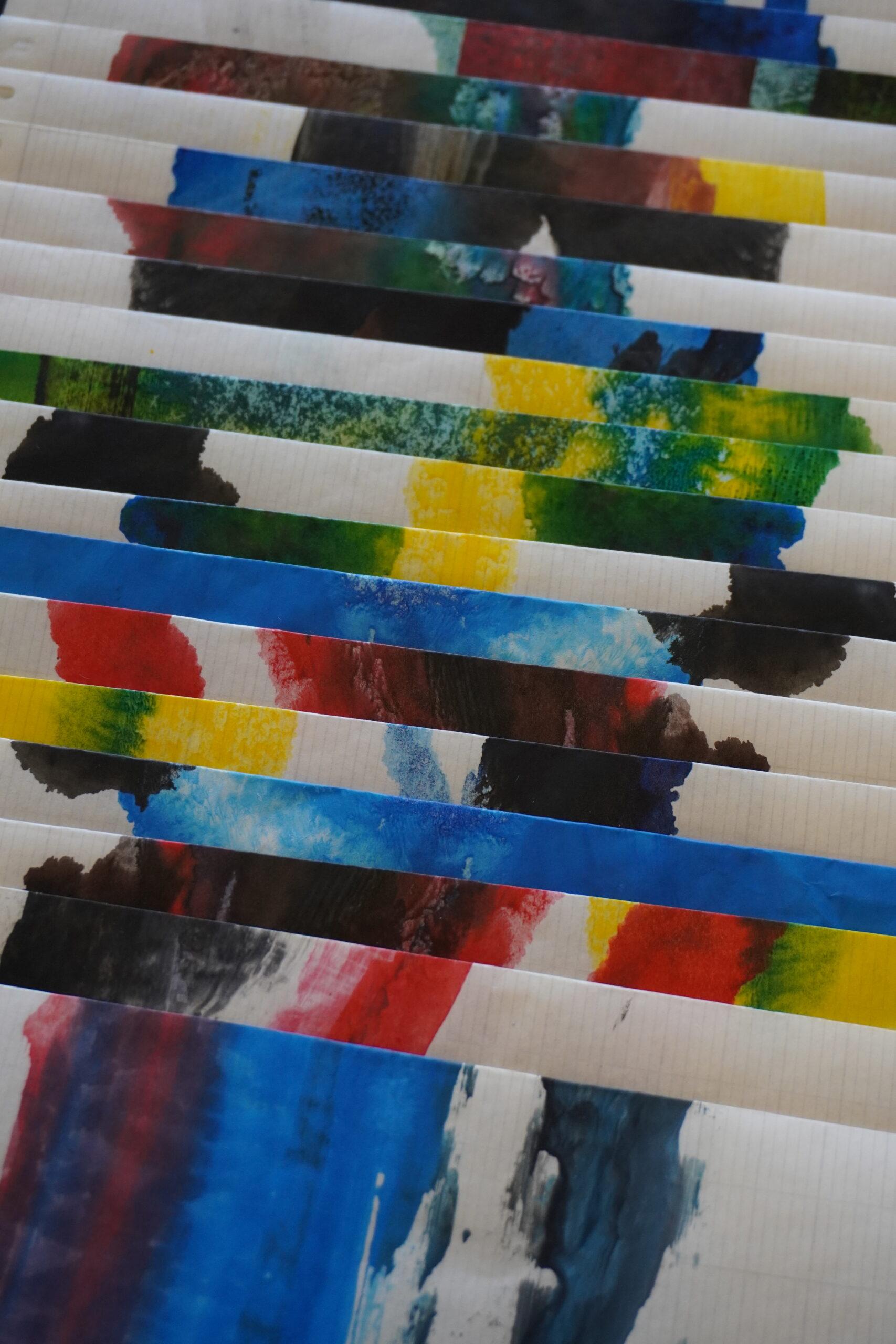
Next, we entered the chromatic universe of Claudio Rocha, which led us to explore India ink as a living material, subject to fertile accidents and unexpected variations. His color exercises opened up space for us to understand that each tonality has its own breath, and that chance is also an ally in the construction of the artist's book. It was with him that we developed the dragon scale bookbinding, a structure that, in itself, already suggests movement and sophisticated volumetric articulation.
By the end of the week, we realized that the immersion had been more than just a series of techniques. It had created fertile ground. Through conversations, experimentation, and processes, a certain complicity formed within the group. Everything that would flourish in the following months was planted there: the online meetings, the solitary discoveries, the fruitful mistakes, the individual journeys that, together, gave shape to the works that would be exhibited throughout the second semester.
Guest professors in the 2025 edition


a little about the 2025 immersion
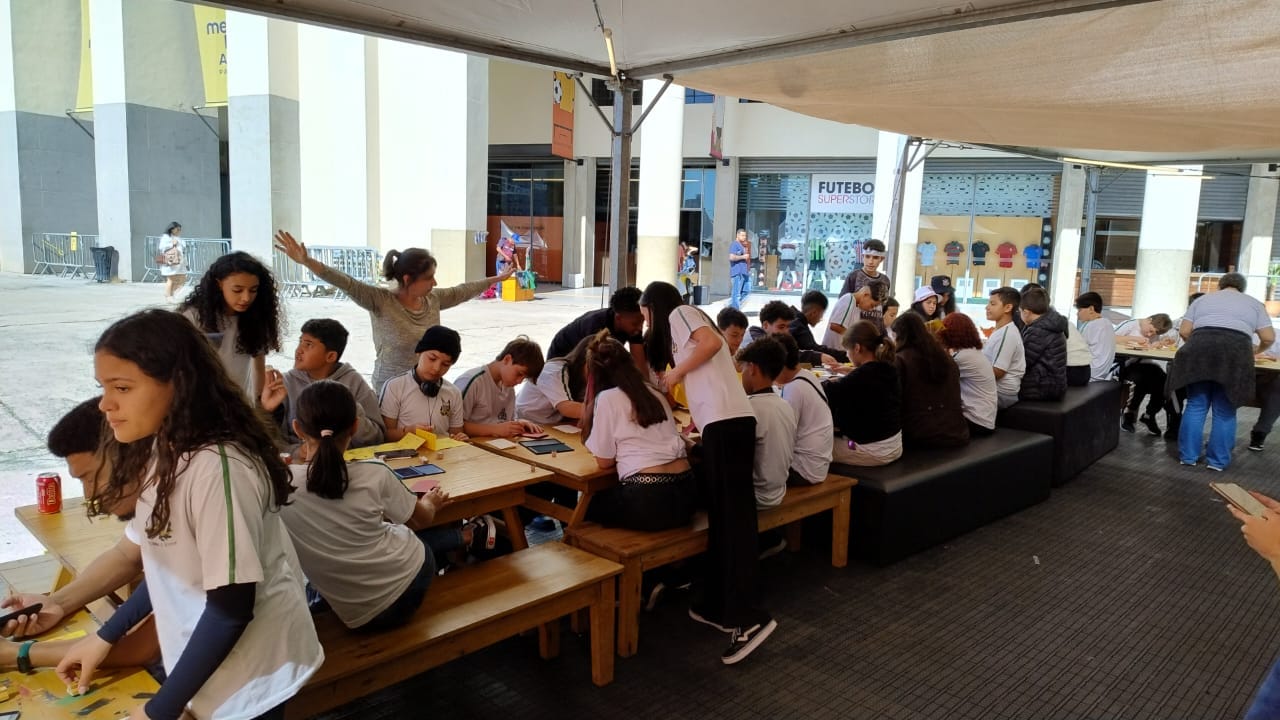
André Hellmeister is a visual artist, art director, graphic designer and advertiser. He has worked in several agencies in the country working for various brands. He develops visual identity projects, cultural projects, editorial design, visual and artistic solutions.
Typography and collage enthusiast, knowledgeable about handling paper and ink, and a lover of graphics and graphic processes. As a speaker, he conducts workshops and training sessions using collage techniques and typography as forms of artistic expression.
Andrea Thomazella is a visual artist, graduated from the University of São Paulo (1982), with a master's and doctorate in Visual Poetics from the Institute of Arts of the University of Campinas, SP, (2015, 2022). She develops research with artist's books, painting, drawing and engraving.
Claudio Rocha (AKA Active Principle) is a visual artist from Earth, involved in the archaeology of images and seduced by colors, computer graphics and, of course, chance… Apparently, his curiosity has no formal limits, depicting the world in a subtly abstract way, but only when he manages to abstract the concreteness of the figures. From an inevitable contact with the collective unconscious, he exposes his sensations through deliberately evocative creations.