immersion week 2026
Paulo Silveira's visit
The 2026 immersion week began with a new feature: the visit of Professor Paulo Silveira, from the Federal University of Rio Grande do Sul, for a lecture on artist's books at the Mário de Andrade Library, followed by a visit to the 2025 "crossing" exhibition. In the morning, we explored some of the library's artist's books, along with the director of the rare books section, Joana Andrade. It was a promising start to the immersion week and the residency.
the design of the letter
The week was structured around the gesture: the motus of letter formation served as a guiding thread. More than considering writing as a coded language, we were interested in the movement that originates it: the stroke, the rhythm, the pressure, the continuity, and the interruptions that give shape to writing even before it is organized as a word.
In this context, we approached asemic writing as a field of investigation. This was a practice that suspended the conventional meaning of language to explore writing as drawing, as flow, and as a visual and bodily experience. Writing ceased to be merely a vehicle for meaning and became a territory for experimentation, where gesture gained autonomy and presence.
This research gained even more depth since the country chosen this year was Argentina, where we found a fundamental reference: Mirtha Dermisache. Her work offered us fertile ground to consider writing as an expanded form, marked by rigorous structures and, at the same time, by a gestural freedom that challenges traditional reading. Dermisache constructed graphic systems that seemed legible but escaped deciphering, precisely challenging this boundary between language and image.
who
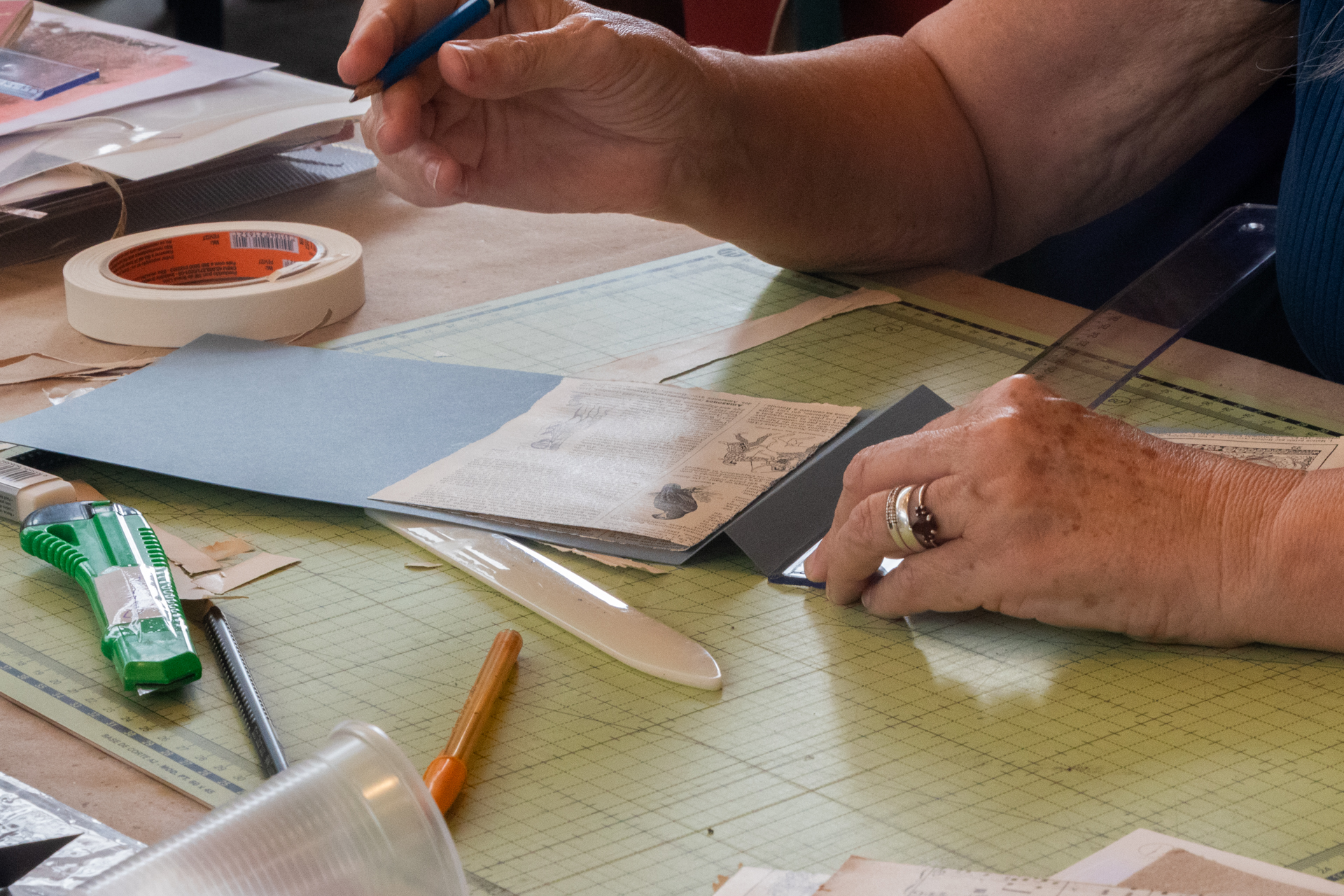
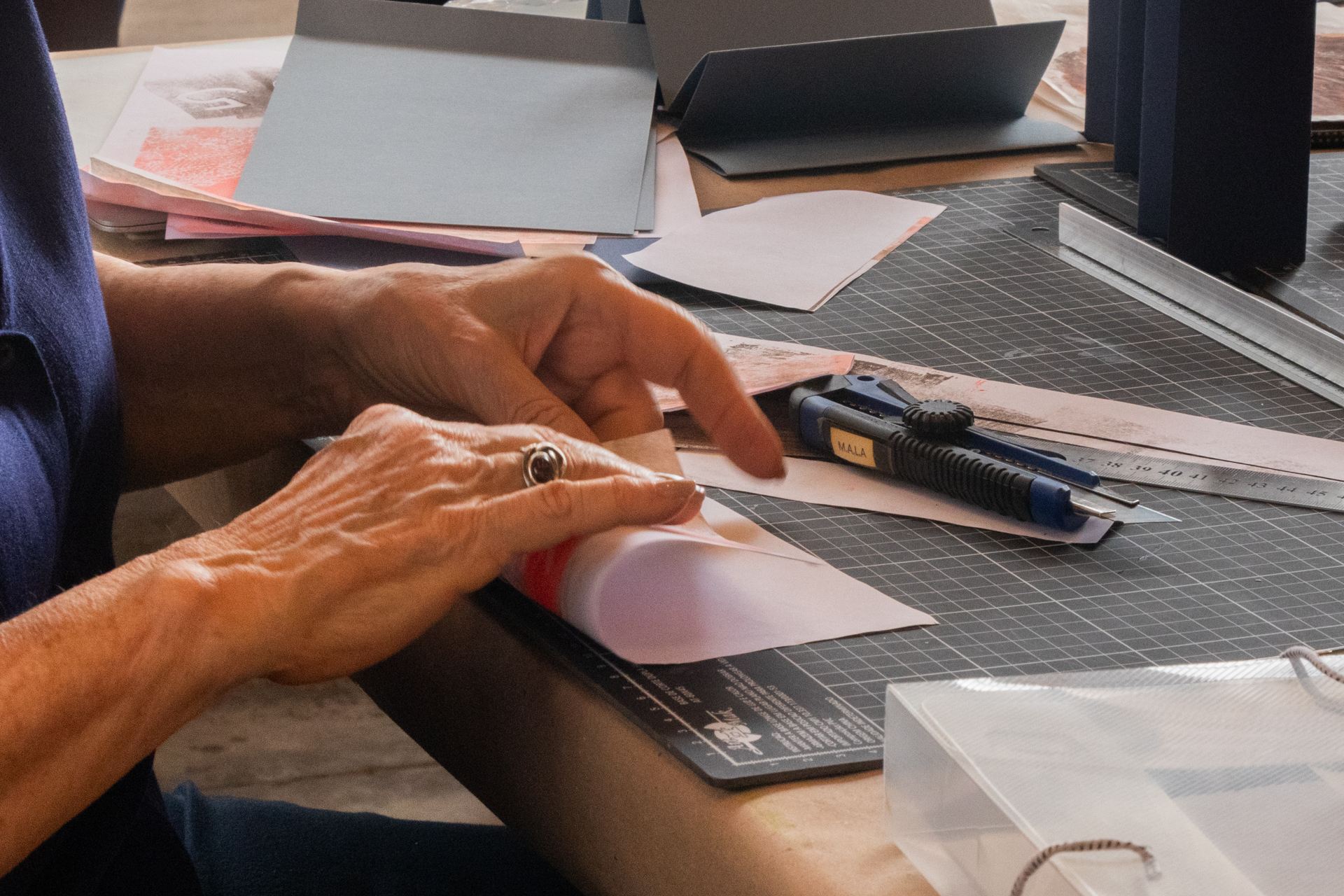
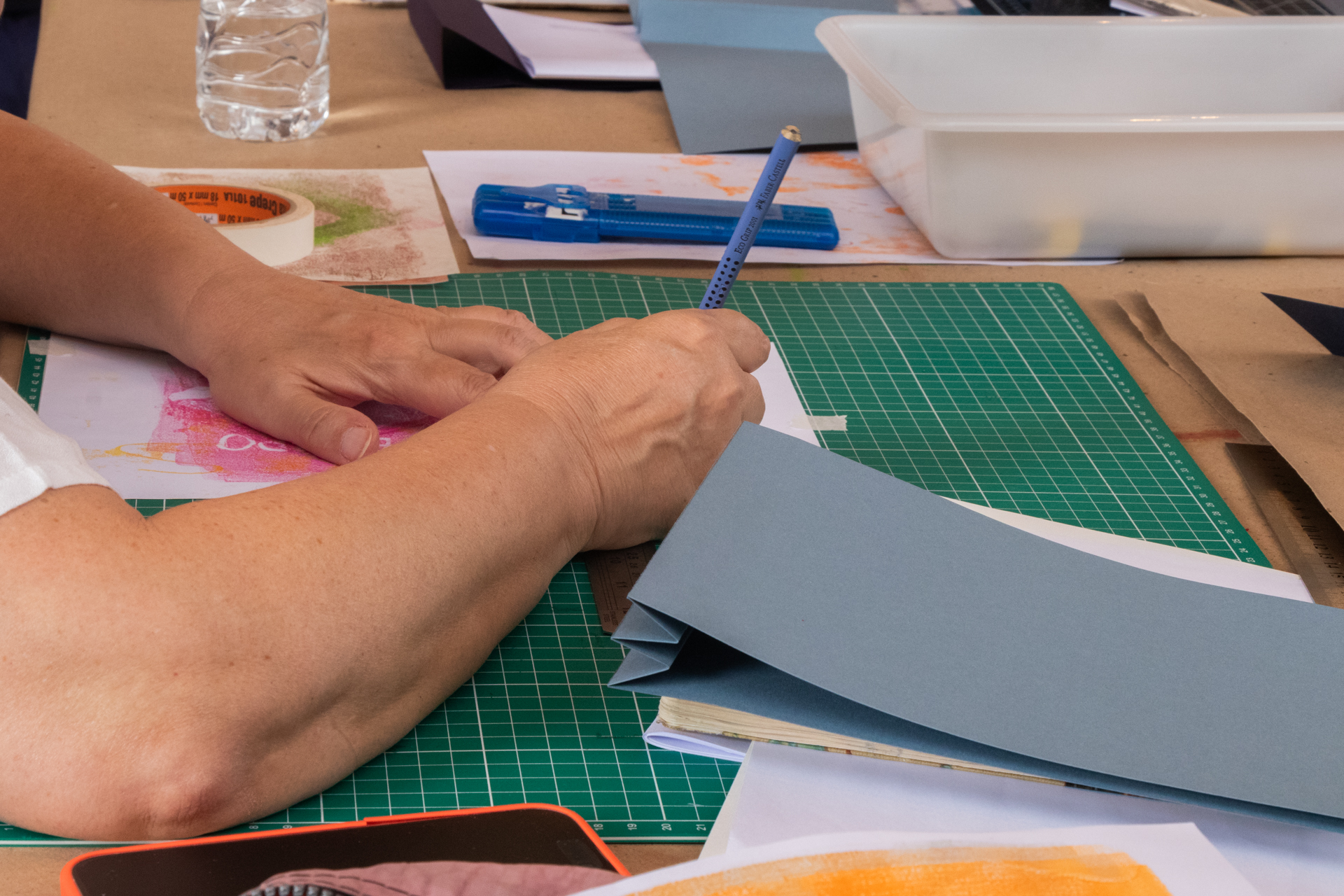
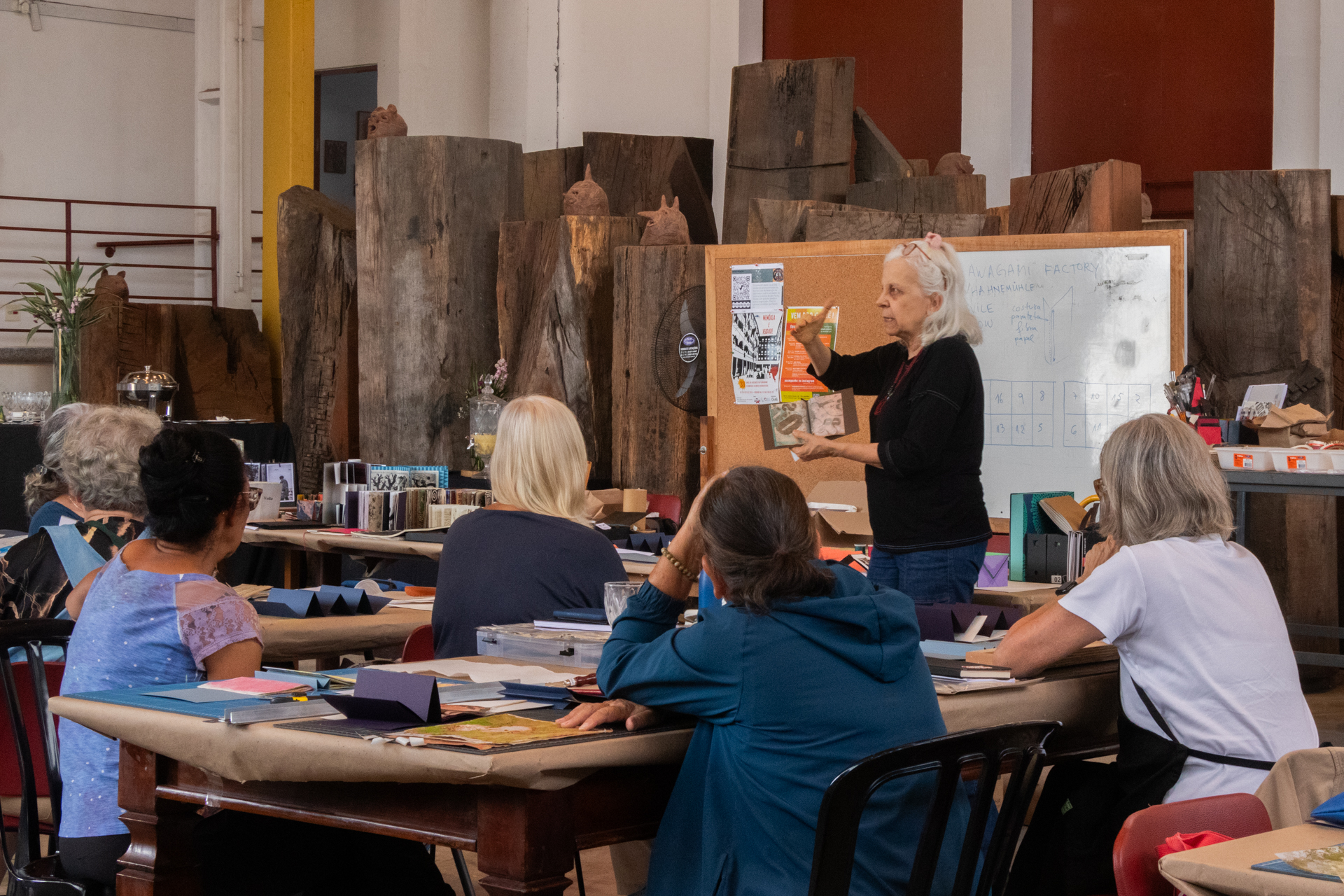
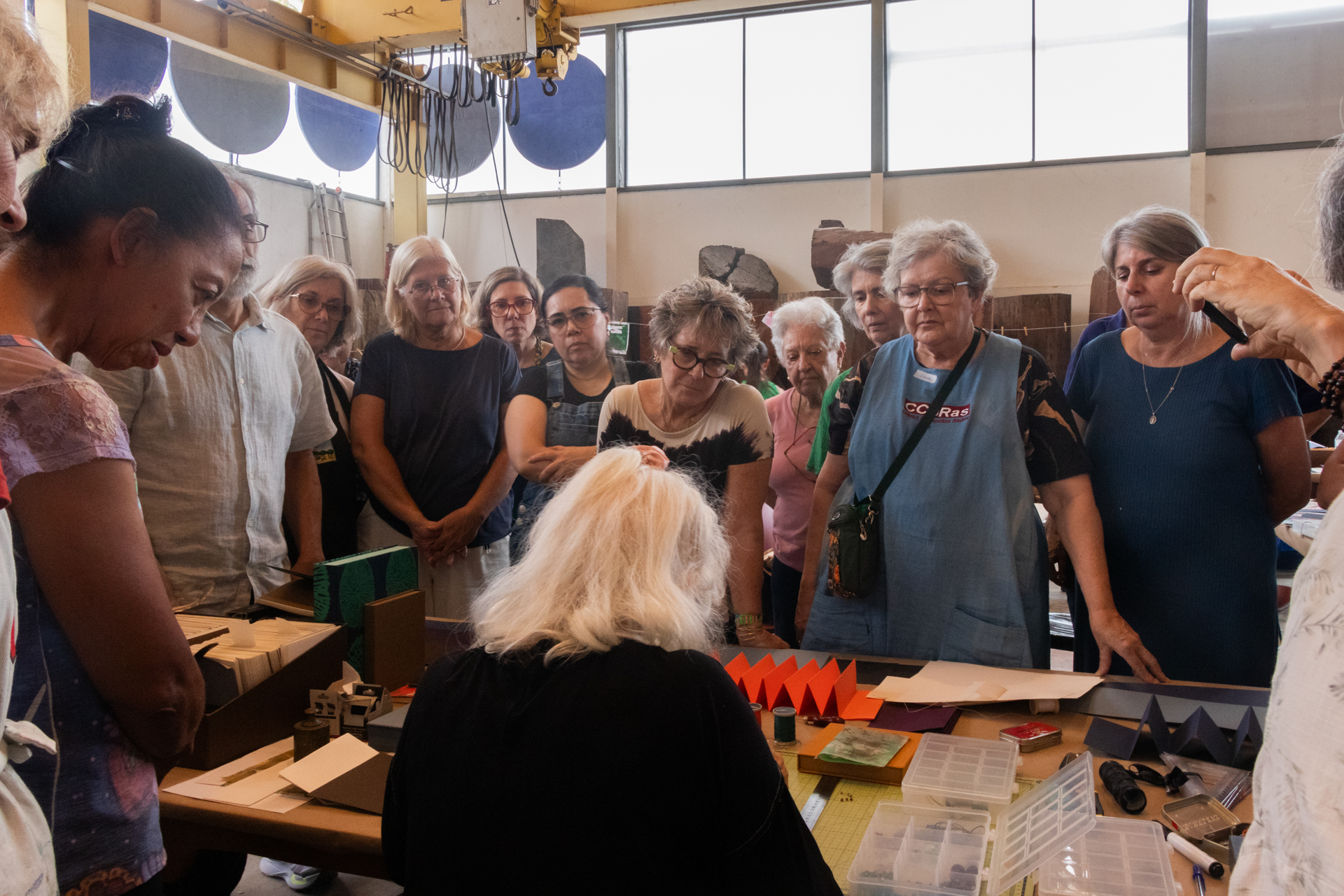
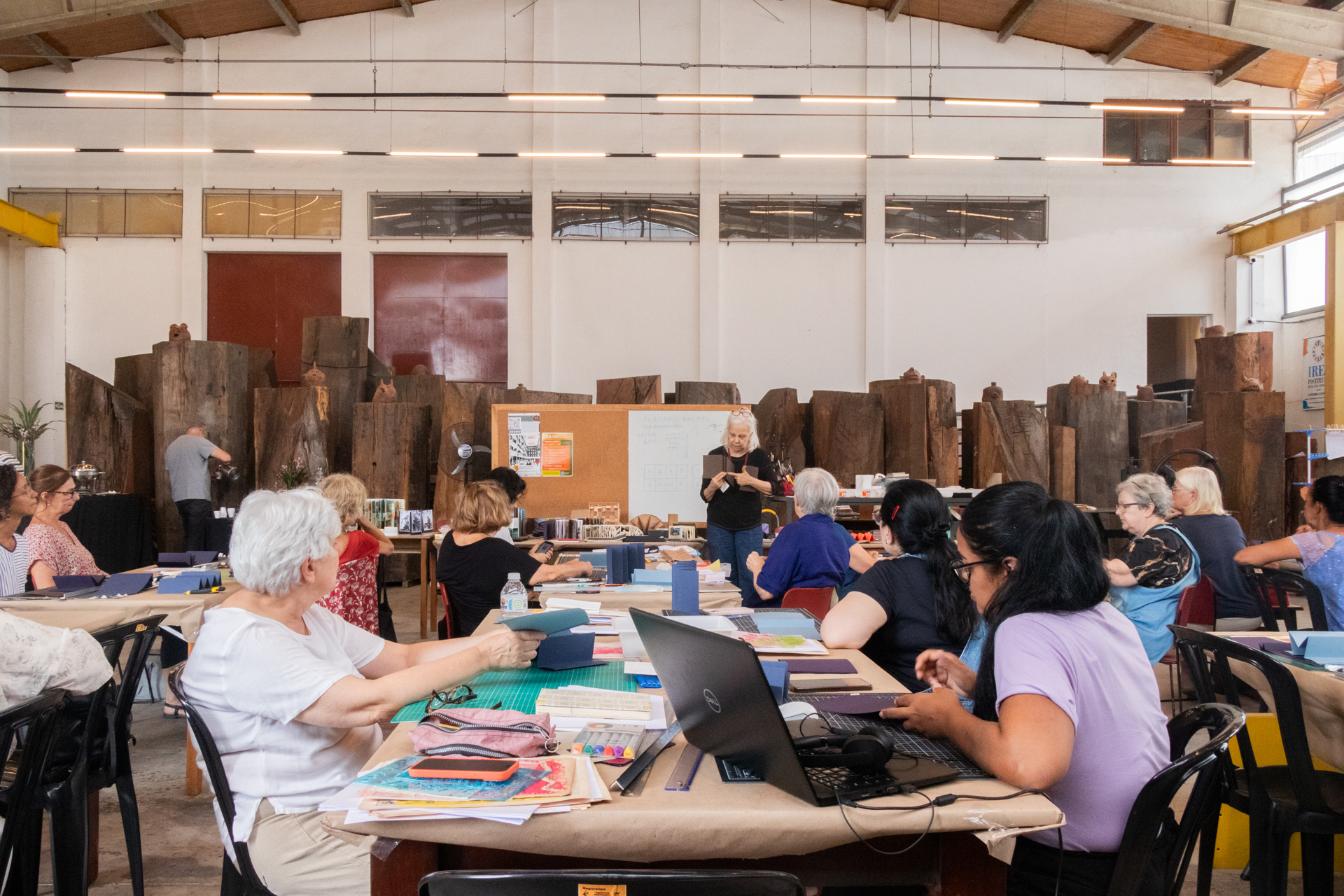
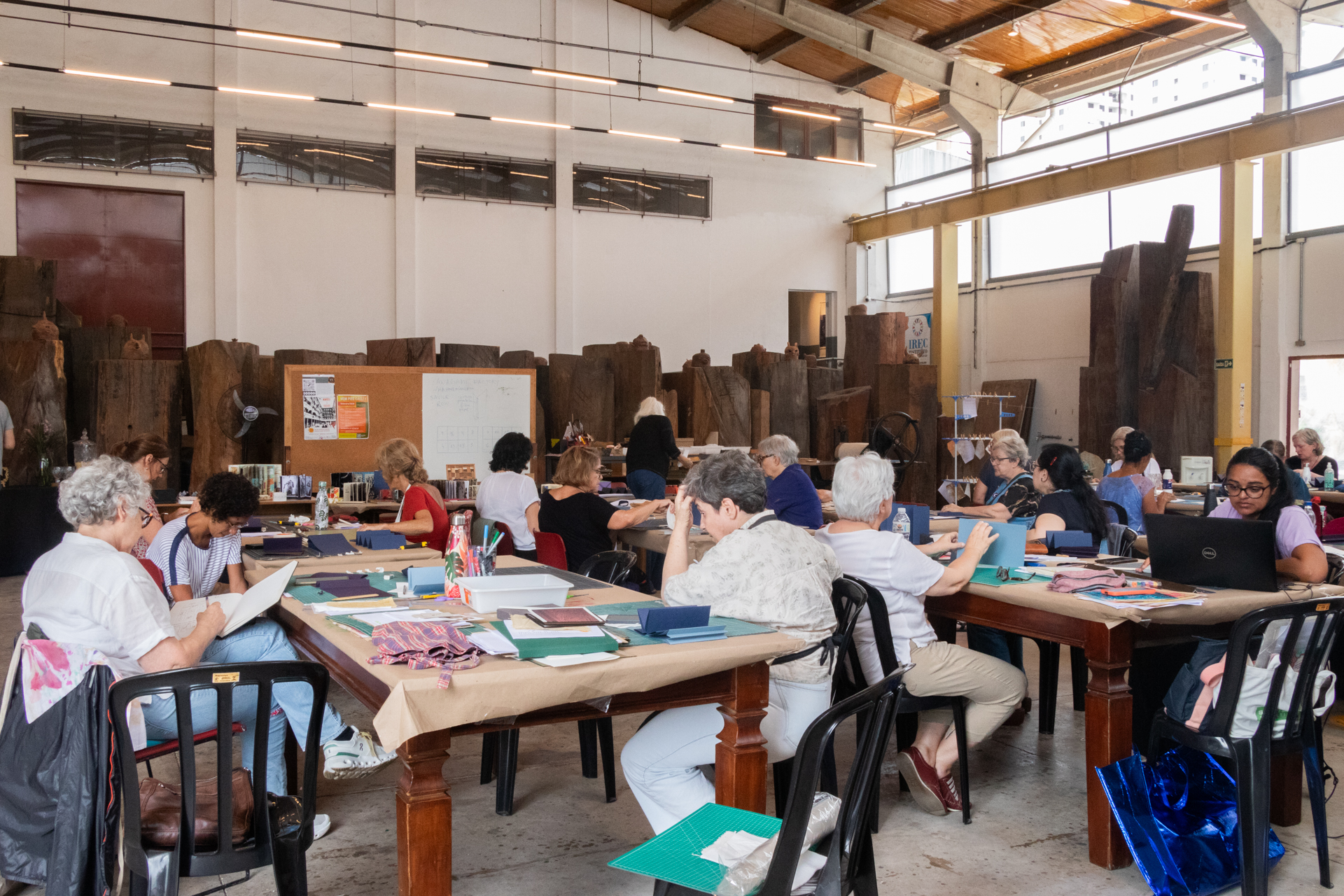
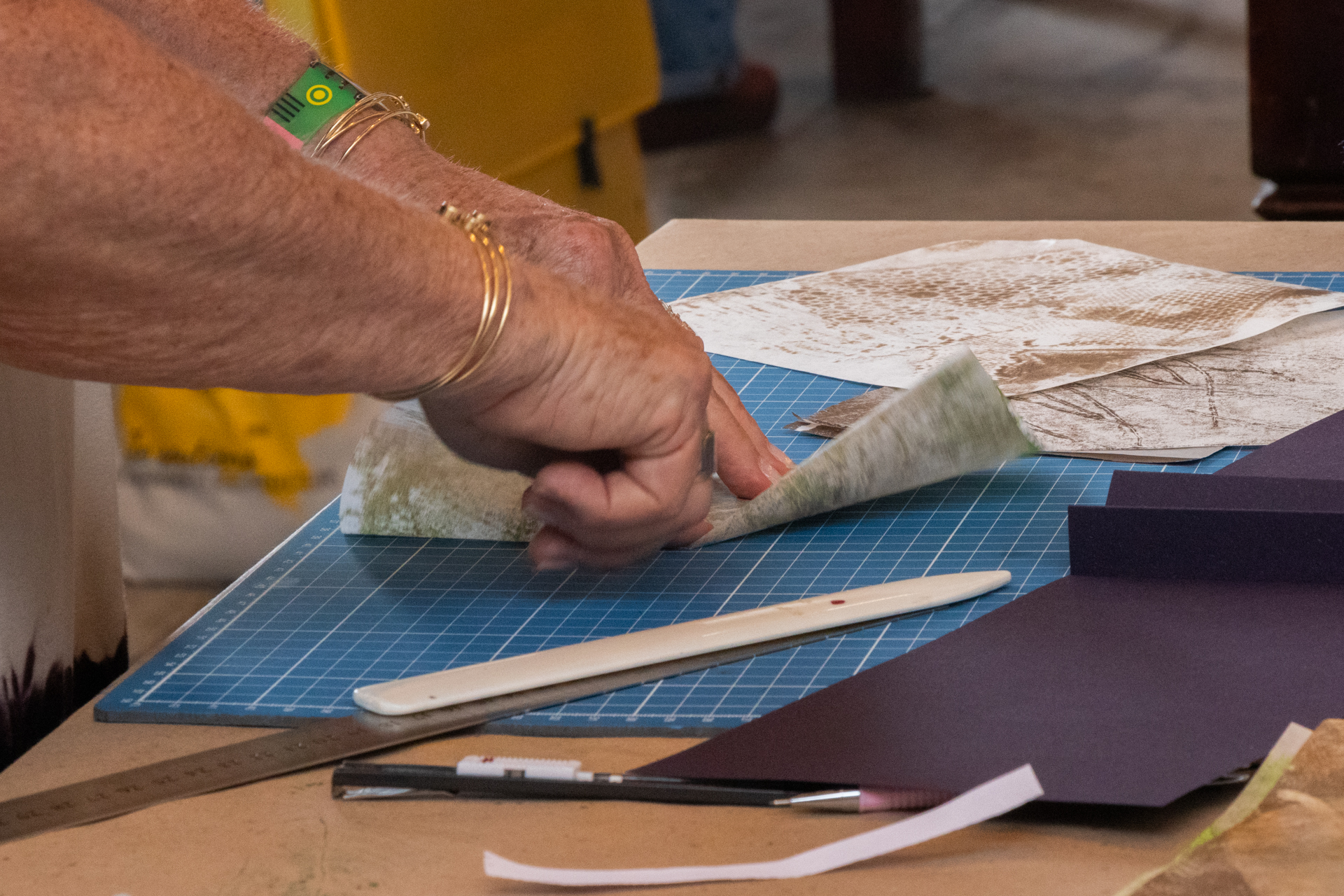
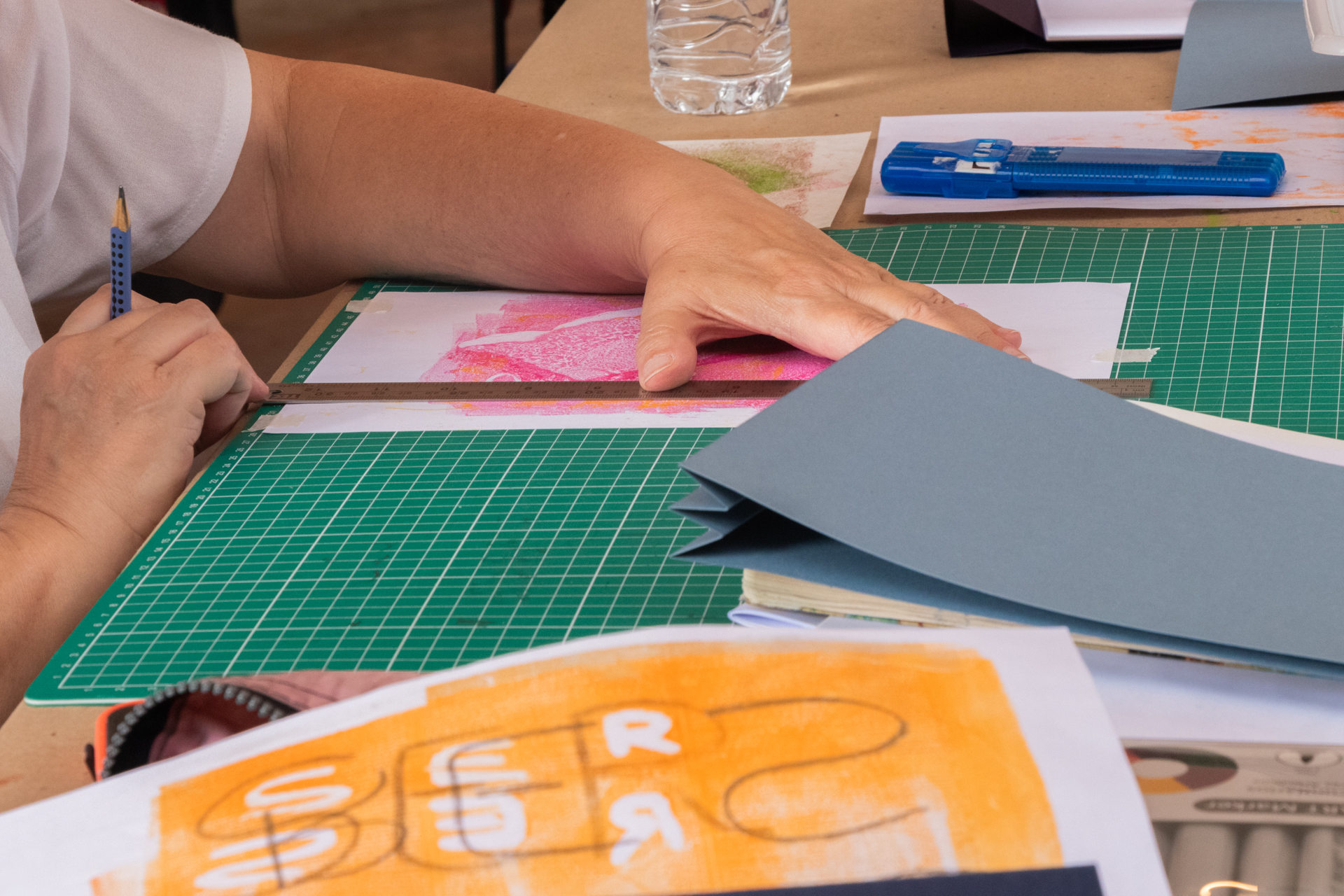
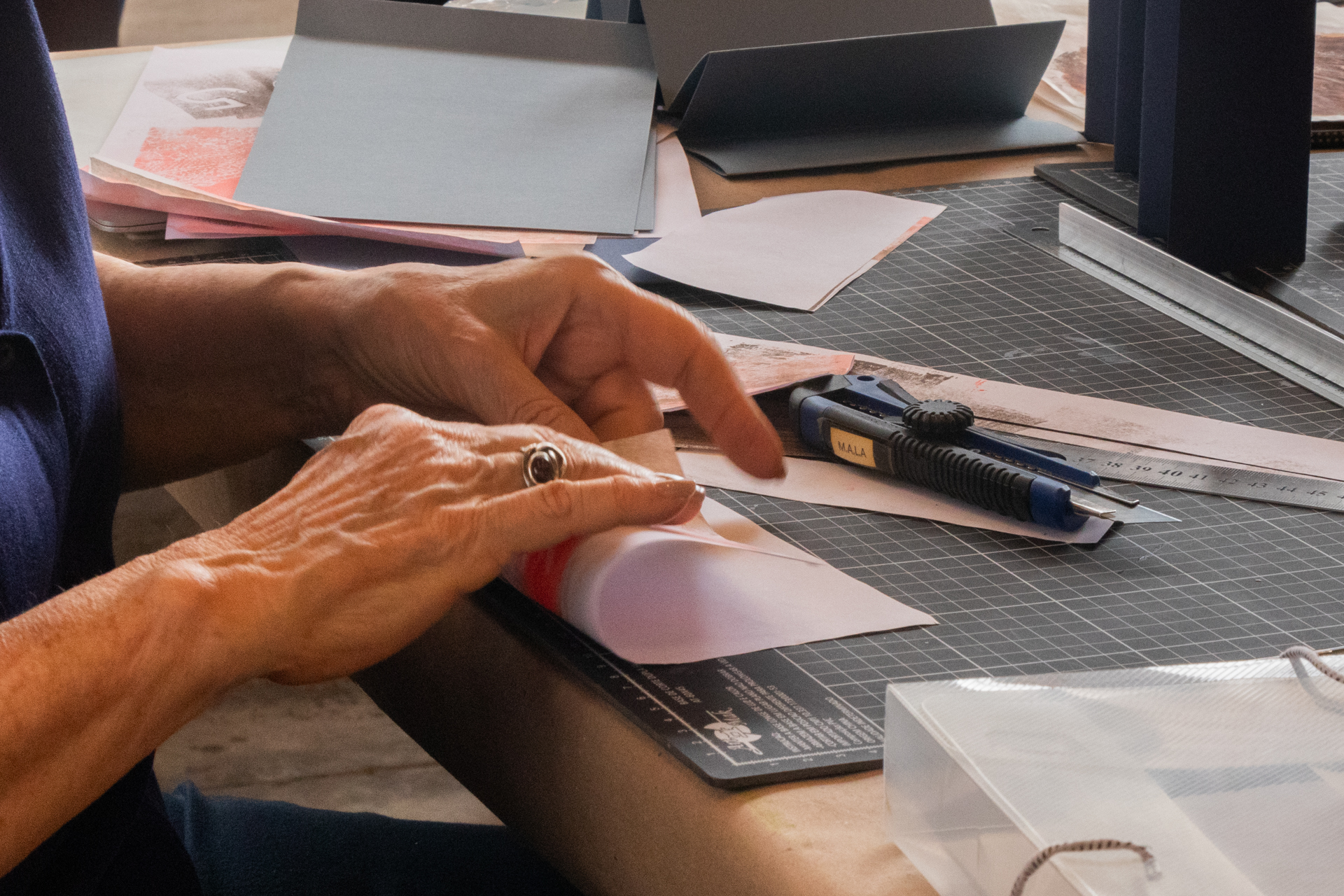
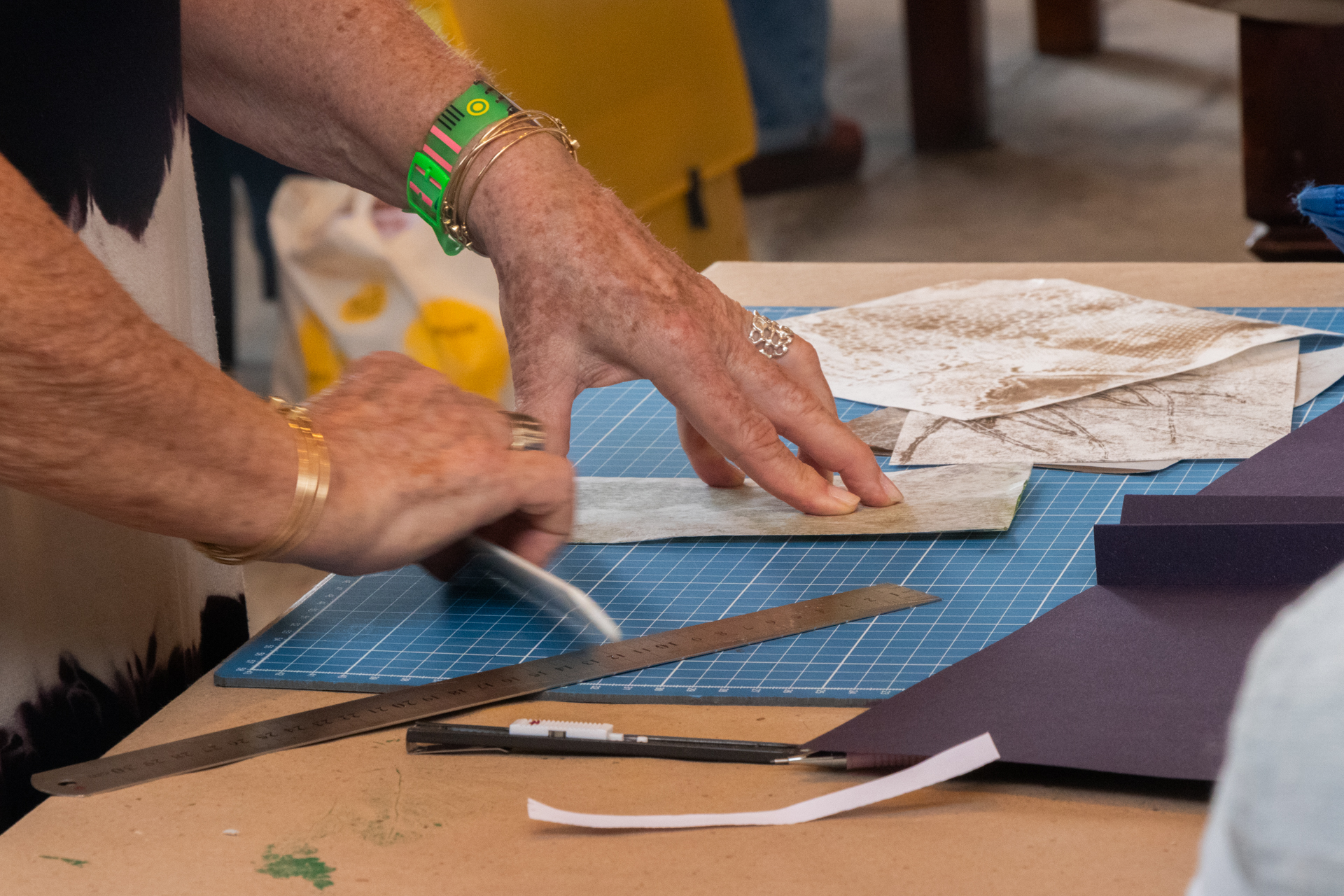
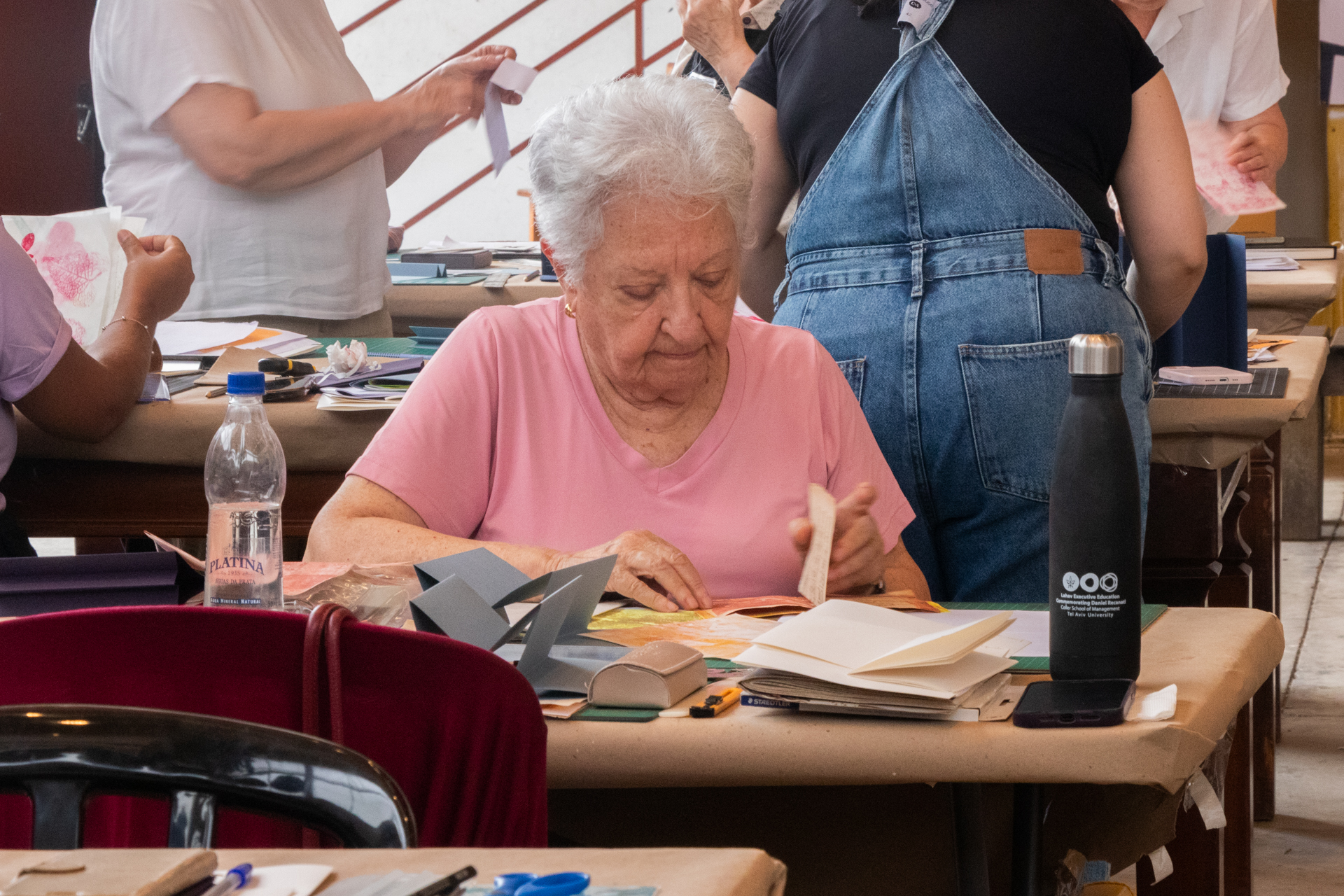
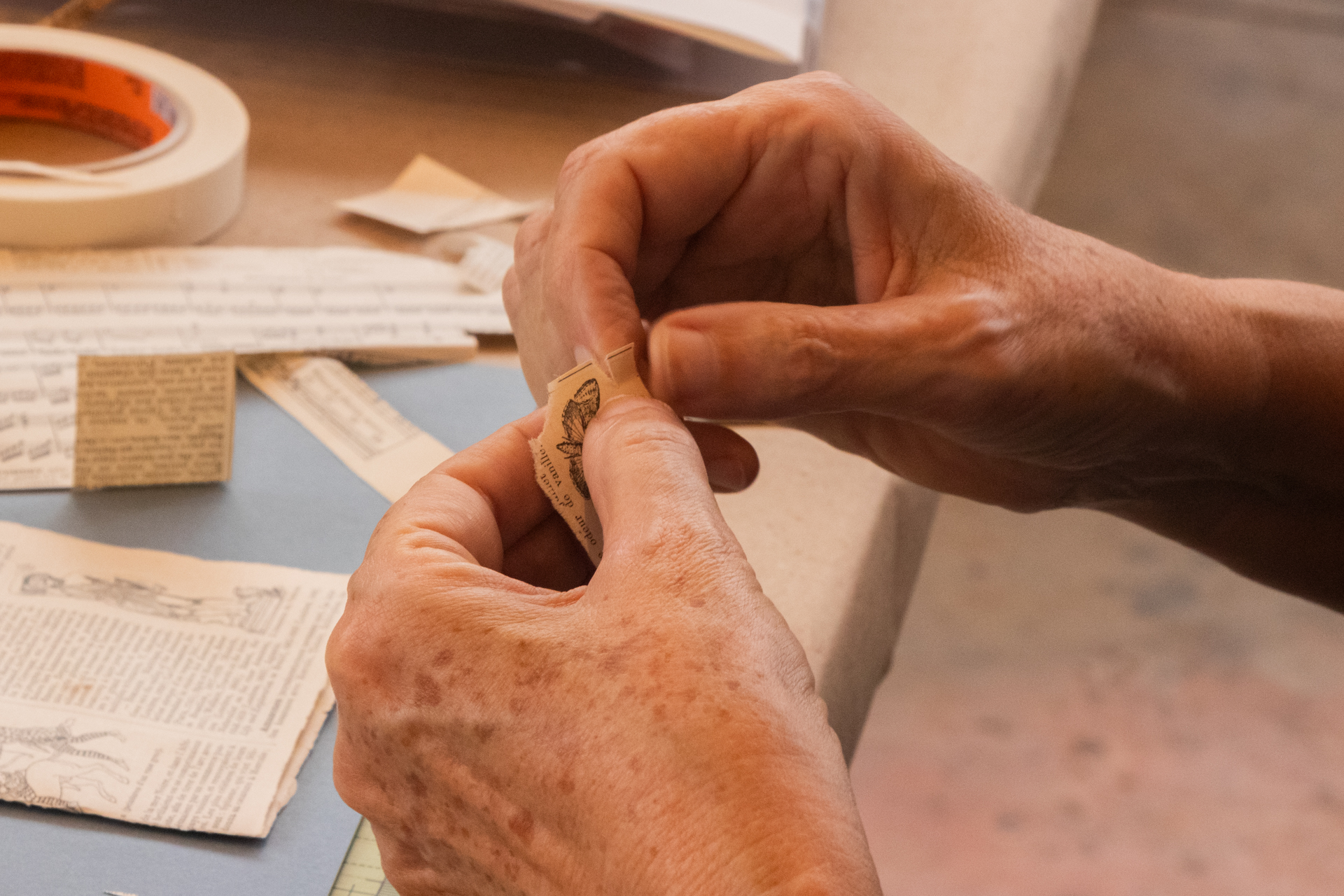
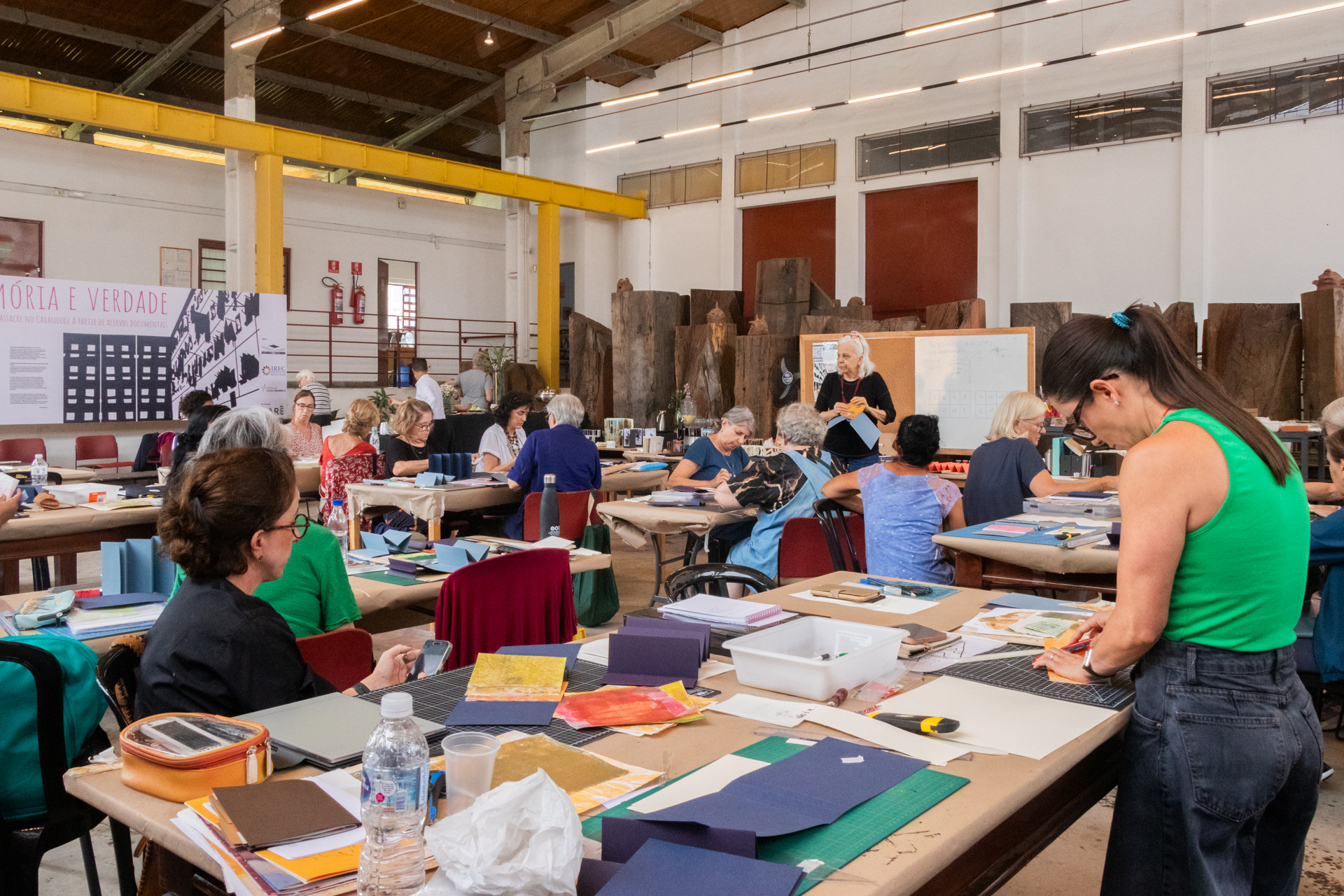
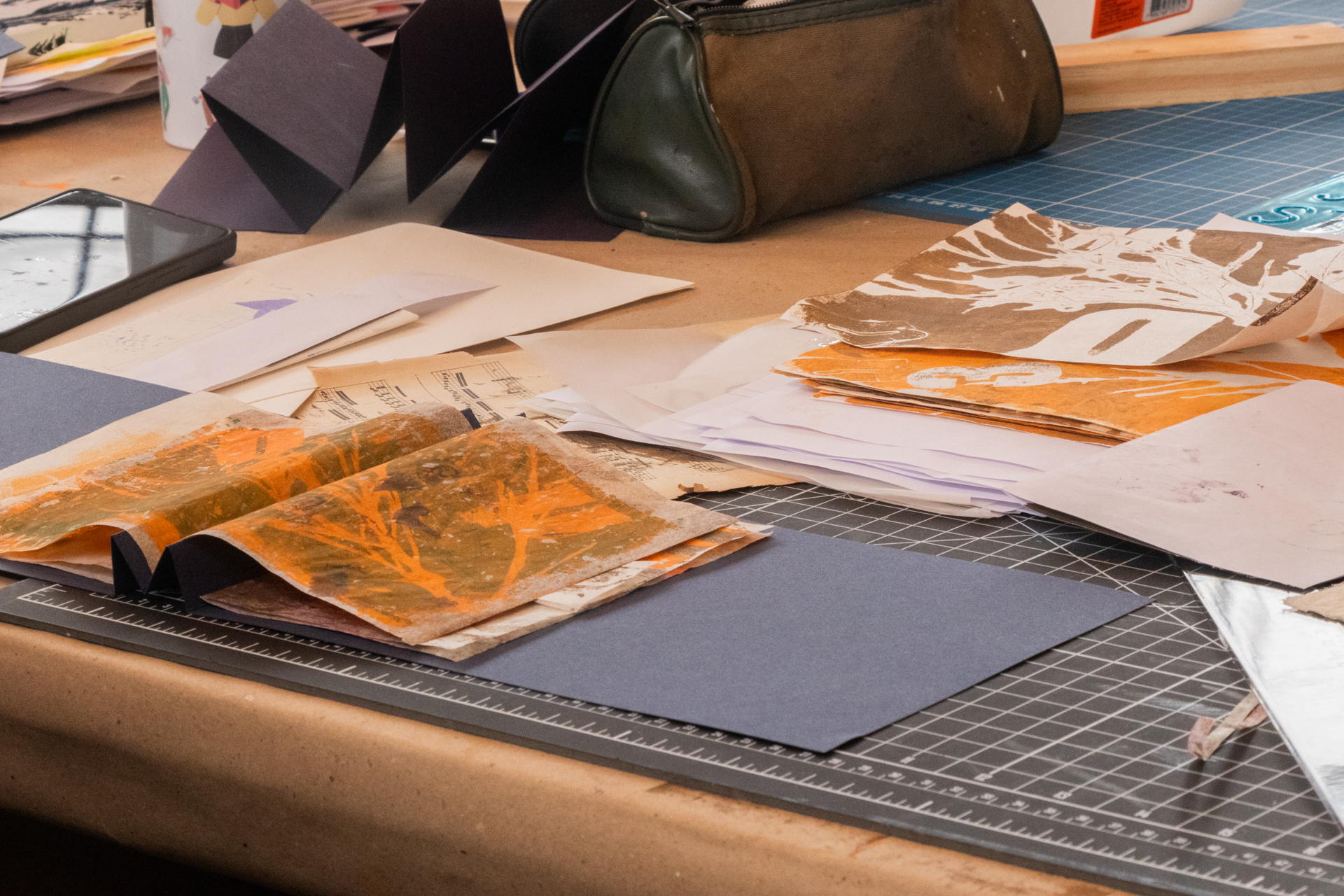
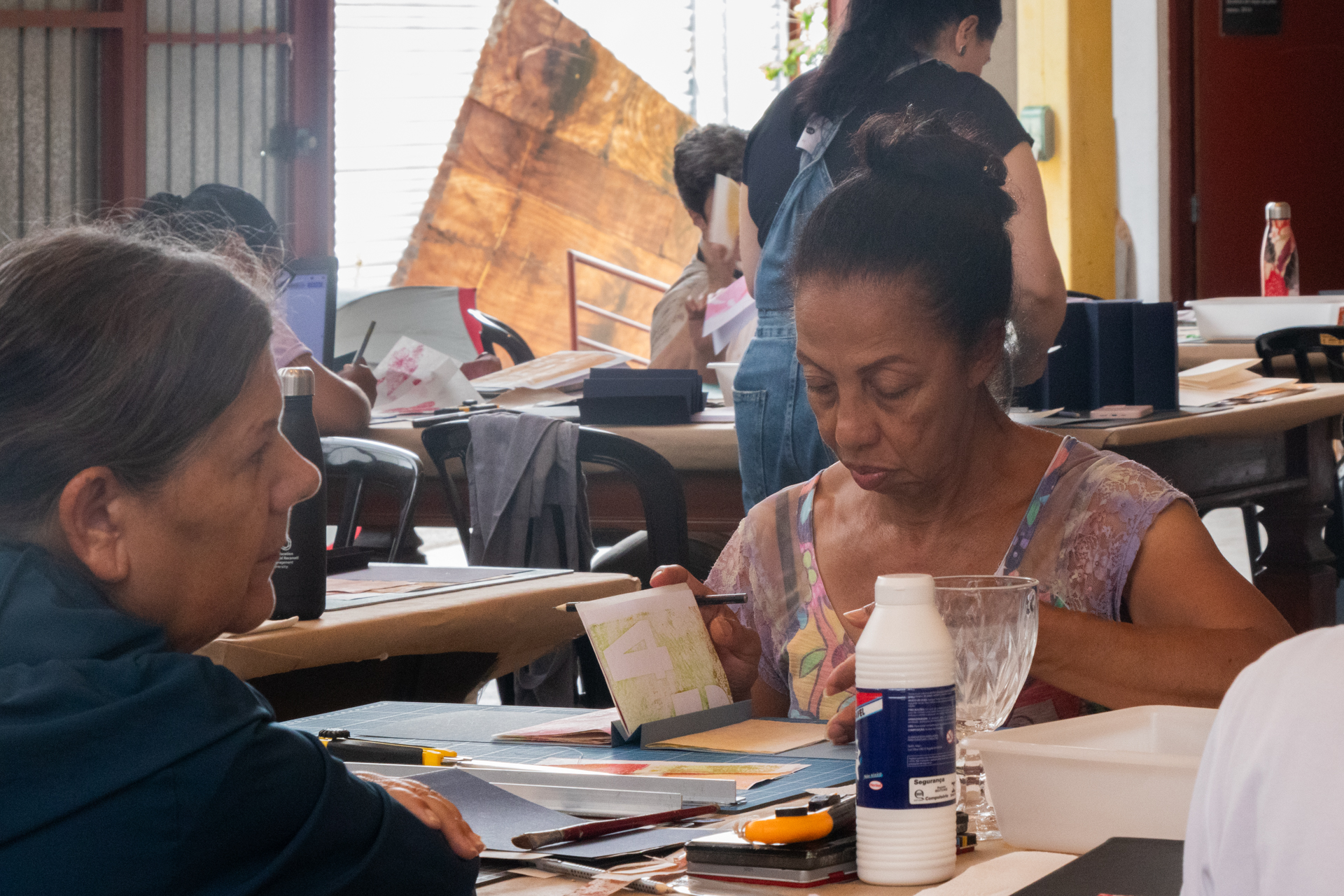
It was in this context that the immersion took place at the Çarê Institute, which was configured as a space for exchange, investigation, and shared practice. The work began with Cláudio Rocha, starting with pencil and paper and the exploration of some typeface families as a starting point for observation and construction of letter design. Then, the horizon expanded to monotype techniques, led by Andrea Thomazella, and to Tetra Pak engravings using chine-collé, by the hands of Matheus Gonçalves. With Luciane Kunde we made our handmade paper from banana fiber that was used in the engravings.
The results were compiled through bindings that preserved and enhanced the engravings, presenting them as a series of small paintings, conducted by Estela Vilela.
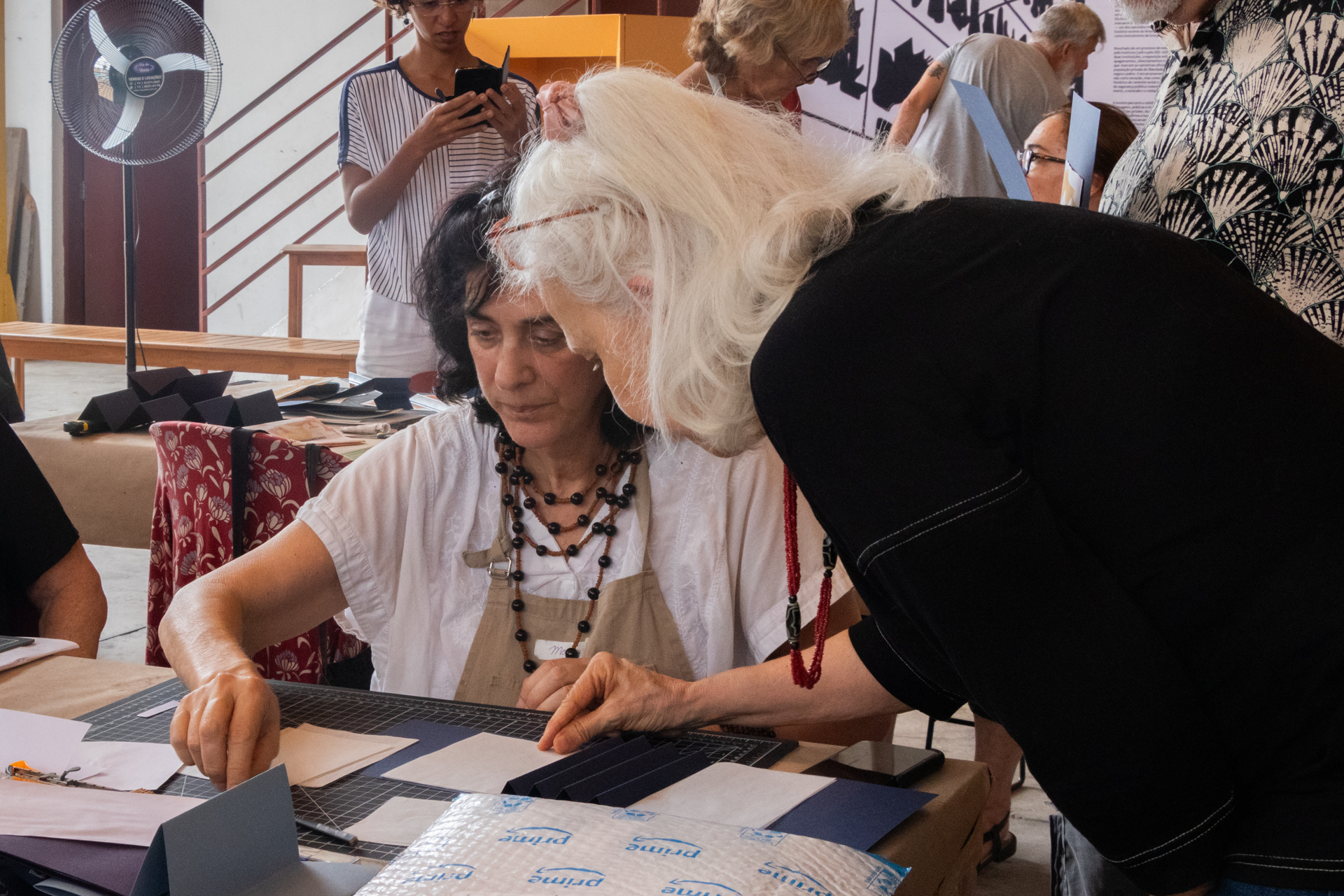
Thus, the immersion unfolded as a journey that traversed gesture, writing, and drawing, connecting practice and reflection. Once again, the artists were able to meet in person, exchange ideas, and share techniques, with participants from previous editions assisting the newcomers, while the latter brought their own repertoires, processes, and investigations. New experiences and connections were formed, which will certainly accompany us throughout this journey of wandering the world throughout the year.
Guest professors in the 2026 edition
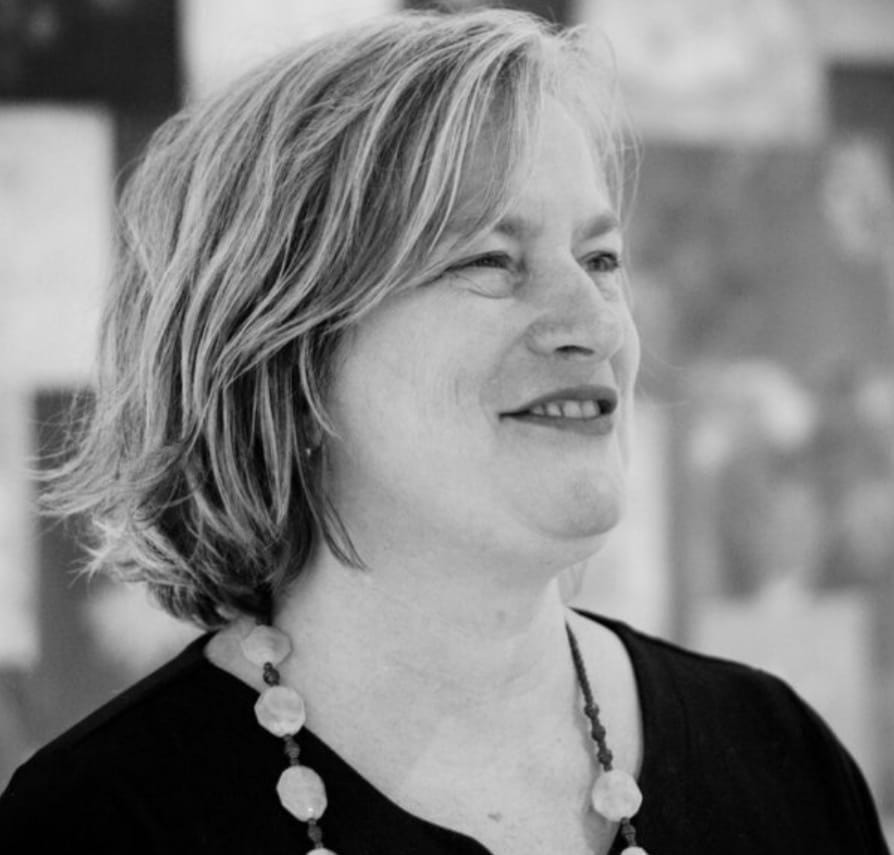
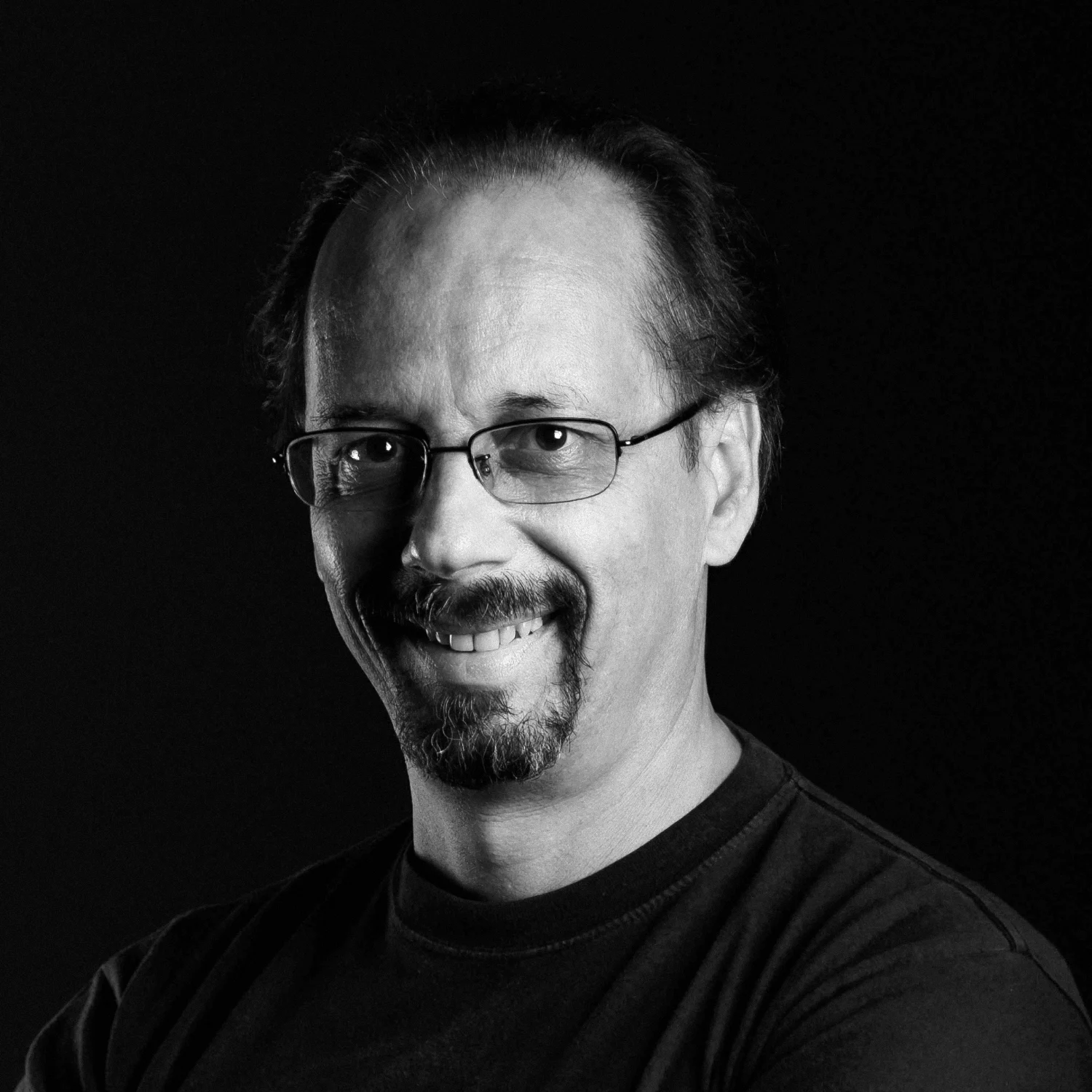
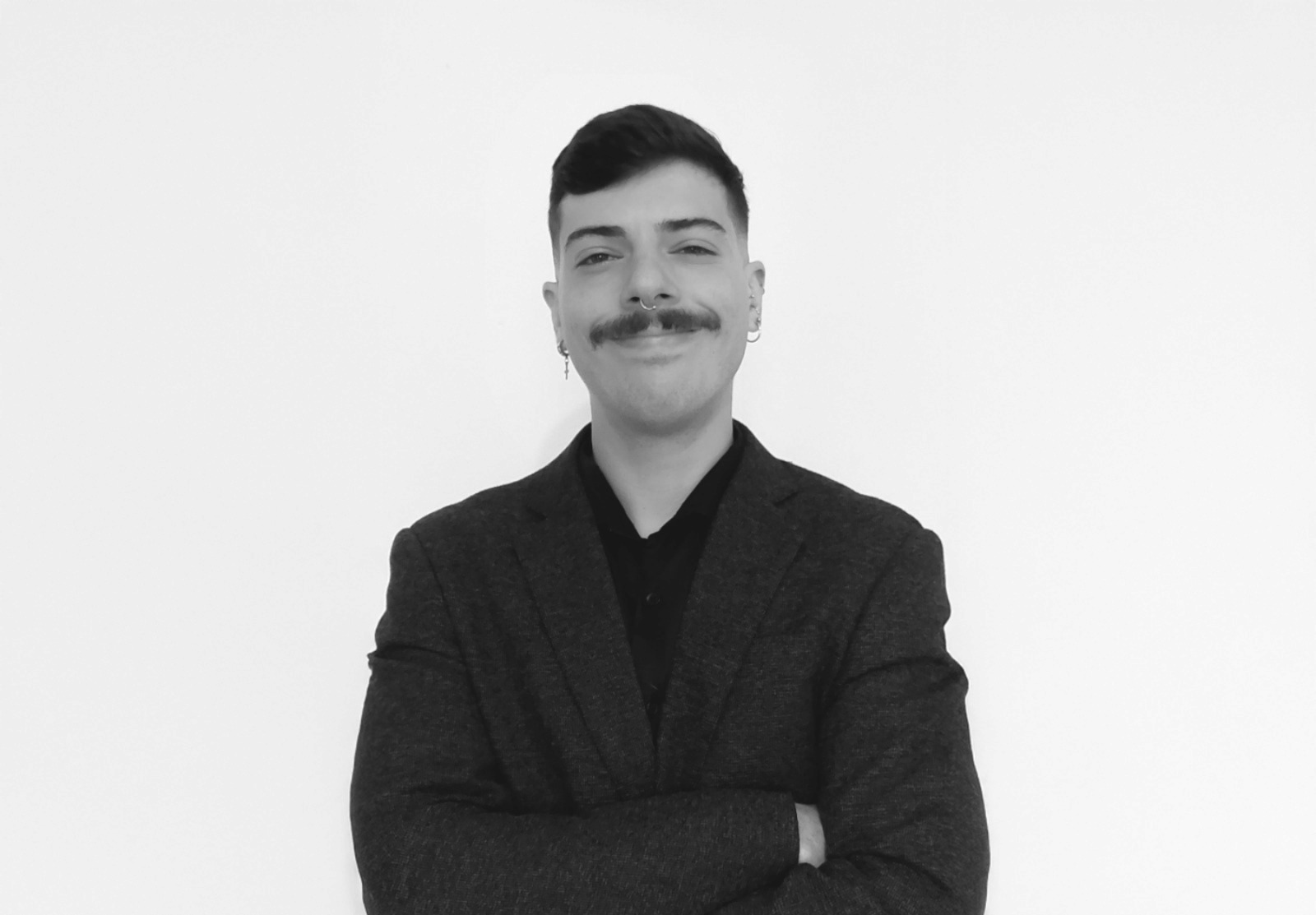
Luciane Kunde is an artist, researcher and educator. She holds a master's degree in Visual Arts and researches handmade paper as an expressive resource. She sees process and material as elements of artistic creation. She develops original artistic projects and teaches free handmade paper workshops. She is a professor at the OPA (Handmade Paper Workshop) held at the Institute of Arts at Unicamp. She is a member of IAPMA, a global association of paper artists and researchers.
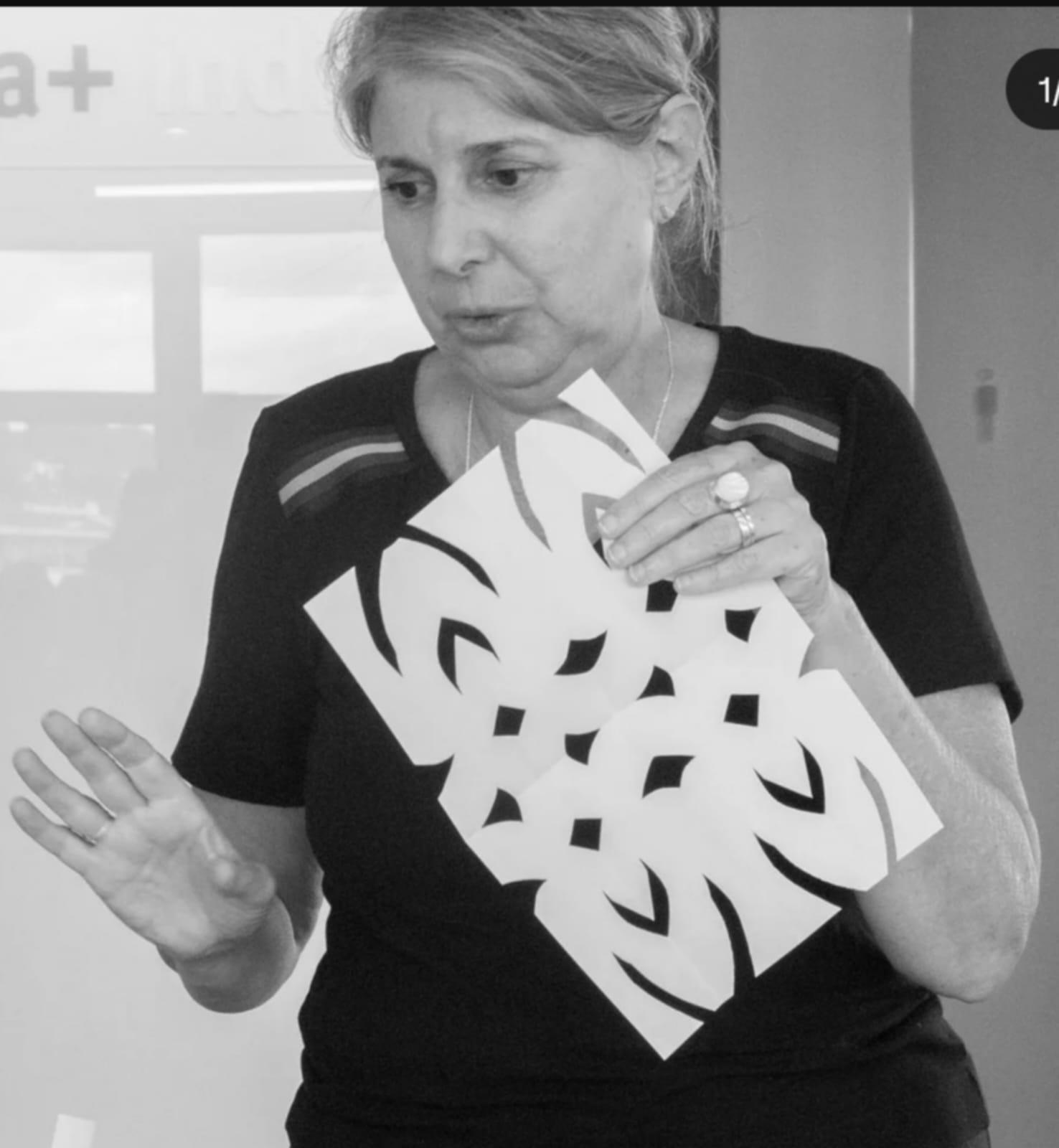
Andrea Thomazella is a visual artist, graduated from the University of São Paulo (1982), with a master's and doctorate in Visual Poetics from the Institute of Arts of the University of Campinas, SP, (2015, 2022). She develops research with artist's books, painting, drawing and engraving.
Claudio Rocha (AKA Active Principle) is a visual artist from Earth, involved in the archaeology of images and seduced by colors, computer graphics and, of course, chance… Apparently, his curiosity has no formal limits, depicting the world in a subtly abstract way, but only when he manages to abstract the concreteness of the figures. From an inevitable contact with the collective unconscious, he exposes his sensations through deliberately evocative creations.
Matheus Gonçalves is a visual artist and historian born in São Paulo. His artistic practice ranges from drawing, engraving, painting, and artist's books, exploring the relationships between art, politics, and memory. Through the project Blocco Storico, investigates ways of reflecting on the future using graphic image reproduction techniques.
a little about the 2026 immersion